
Choosing New Construction or Resale in Algonquin
December 18, 2025
December 18, 2025
Trying to decide between a brand-new home and an established resale in Algonquin? You are not alone. The choice touches everything from your timeline and budget to how much customization you want and how you negotiate. In this guide, you will learn the key differences that matter in Algonquin, practical questions to ask, and how to move forward with confidence. Let’s dive in.
Algonquin’s submarket can tilt the balance between new construction and resale. When builders have more homes available, they may offer upgrades or closing cost incentives. When resale inventory grows, sellers can be more flexible on price or repairs. Your leverage depends on supply and demand in the immediate area, not just the broader Chicago region.
New subdivisions often sit near the edges of growing suburbs. In Algonquin, you may compare newer neighborhoods with modern infrastructure to established streets with mature landscaping. Your priorities around lot size, commute patterns, and nearby amenities will influence what feels like the better fit.
Local rules also matter. Permitting timelines, inspection scheduling, and responsibilities for roads, utilities, and stormwater can affect how quickly a new home reaches closing and what fees or HOA costs you may see later. Ask the Village of Algonquin building department how the process works for the subdivision you are considering.
If you want the fastest path to move-in, a completed model or nearly finished spec home can be a quick option, sometimes immediate to a few months out. A production build from the ground up commonly takes several months, often about 4 to 9 months depending on builder scheduling, weather, inspections, and materials. Custom builds usually take longer, often 6 to 12 months or more from permit to final occupancy.
Northern Illinois winters can slow site work and inspections. In Algonquin, also factor in utility hookups, grading, and stormwater requirements that may add steps. Ask the builder for a written schedule with milestone dates, including foundation, framing, inspections, and final walkthrough. Get timelines, penalties or remedies for delays, and closing flexibility in writing.
Most new homes include structured warranty coverage. Many builders offer a 1-year limited workmanship and finishes warranty, a 2-year systems warranty for mechanical, electrical, and plumbing, and a 10-year limited structural warranty. Coverage varies, so review documents carefully and ask how to submit claims, what the deadlines are, and who completes repairs.
Resale homes follow Illinois disclosure rules, which require most sellers to share known material facts. After closing, your protection is primarily what you negotiate during the contract period, optional home warranties you purchase, and your legal remedies if a required disclosure was missing. With either path, it pays to read the fine print and keep thorough records.
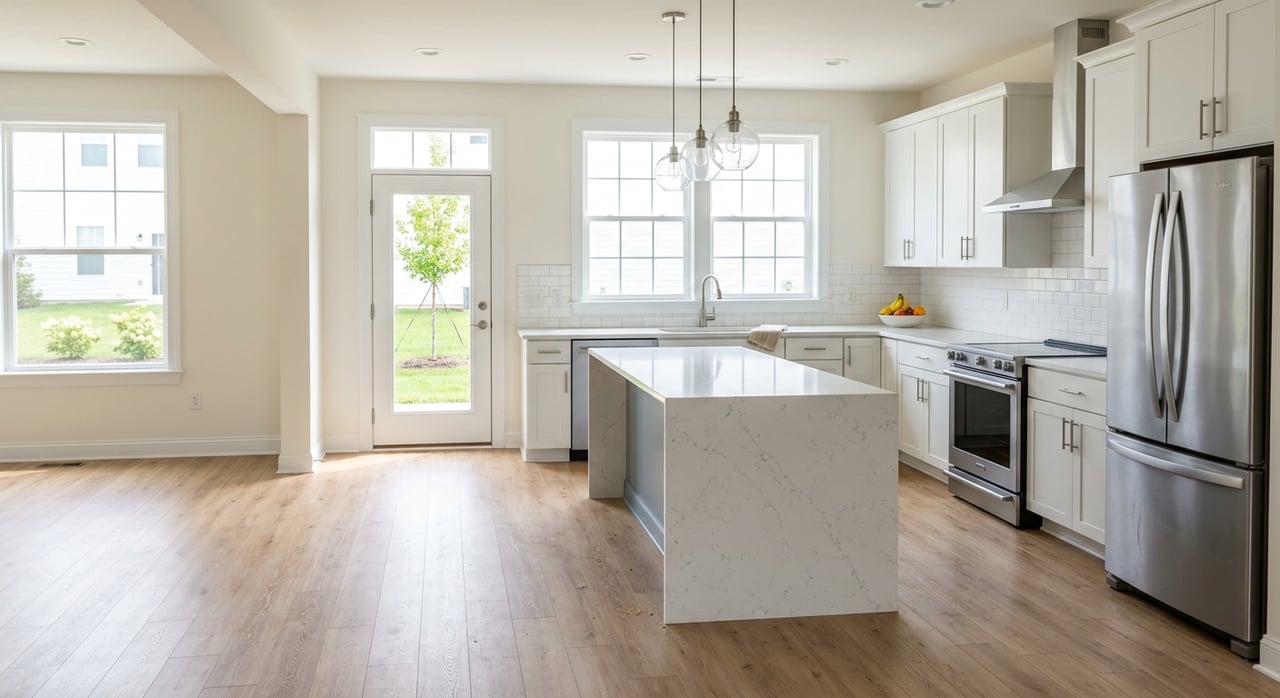
New construction lets you choose floor plans, finishes, fixtures, and sometimes lot orientation. You can also select energy-efficient features and new appliances. Just know that upgrades often come with builder markups. Items that are inexpensive early in construction can be costly to change later, so plan your selections up front.
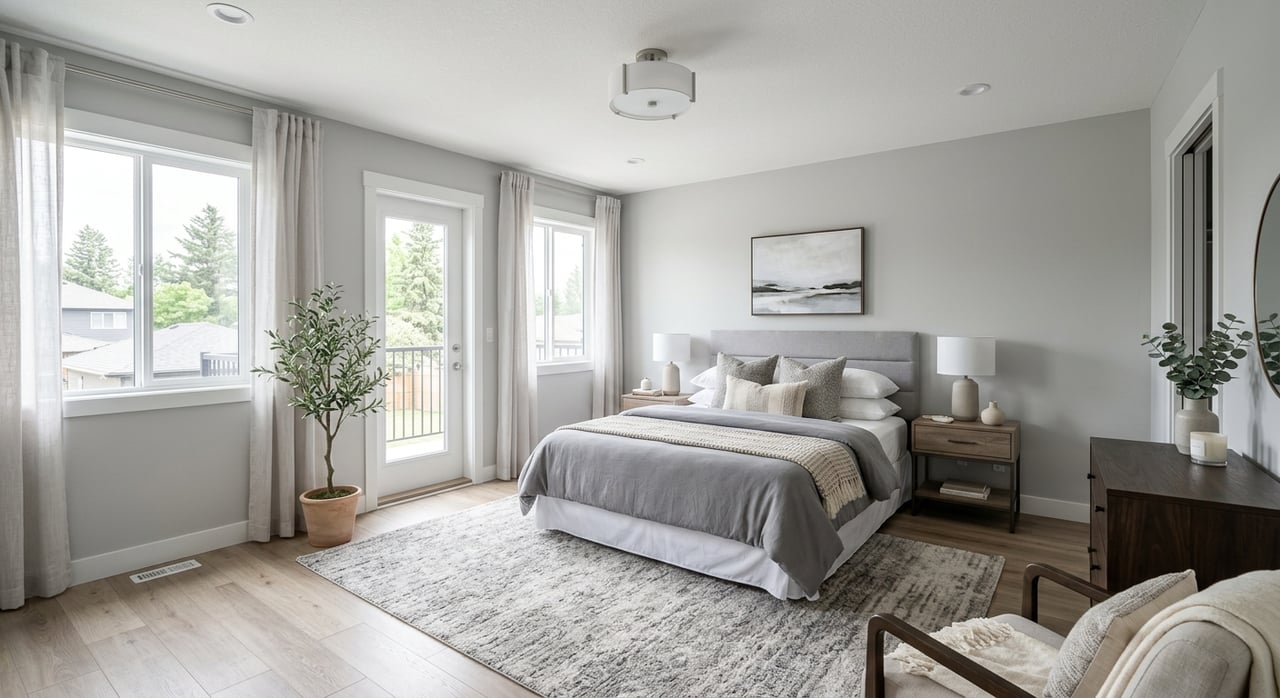
Resale homes provide character right away, from mature landscaping to established blocks. You can renovate on your timeline and budget, which can be appealing if you want to improve spaces over time. The tradeoff is that some improvements may be needed sooner rather than later.
Building a new home can introduce overlapping costs. During the build, you may face lot payments, property taxes, construction loan interest if applicable, insurance, HOA initiation fees in planned communities, and utility setup. If you sell your current home before closing on the new one, you may need temporary housing, storage, or bridge financing.
With a resale, your standard monthly costs begin after closing: mortgage, property taxes, homeowner insurance, utilities, and routine maintenance. If timing is tight, you could still face overlap with two mortgages for a short period.
Ask builders about mortgage-rate programs, closing cost contributions, or possible rate buydowns. Also ask whether a rent-back or flexible close is possible if you are selling a home and need a buffer.
With resale homes, negotiations typically focus on price, seller credits, repairs, and closing costs. Your leverage depends on days on market, local comps, inspection findings, and how your financing terms stack up.
With new construction, you may see less movement on base price but more room on upgrades, closing cost help, lot premiums, or preferred lender incentives. You might gain leverage if the builder has more inventory, if it is off-peak season, or when a project needs to move certain homes. Cash or strong preapproval can strengthen your position.
Always confirm concessions in writing, including exactly which upgrades are included and any lender conditions tied to incentives.
Even with new construction, plan for inspections. Many buyers schedule a pre-drywall inspection to check framing, electrical, plumbing, and HVAC routing, then a final inspection before closing. Builders typically do a final punch list to correct incomplete items or defects. Document everything clearly and set dates for resolution.
With resale homes, your general home inspection can support repair requests, seller credits, or price adjustments. You may also add radon testing, sewer scope, pest, or other targeted inspections based on property age and condition. In both cases, a well-documented inspection process helps you make informed decisions.
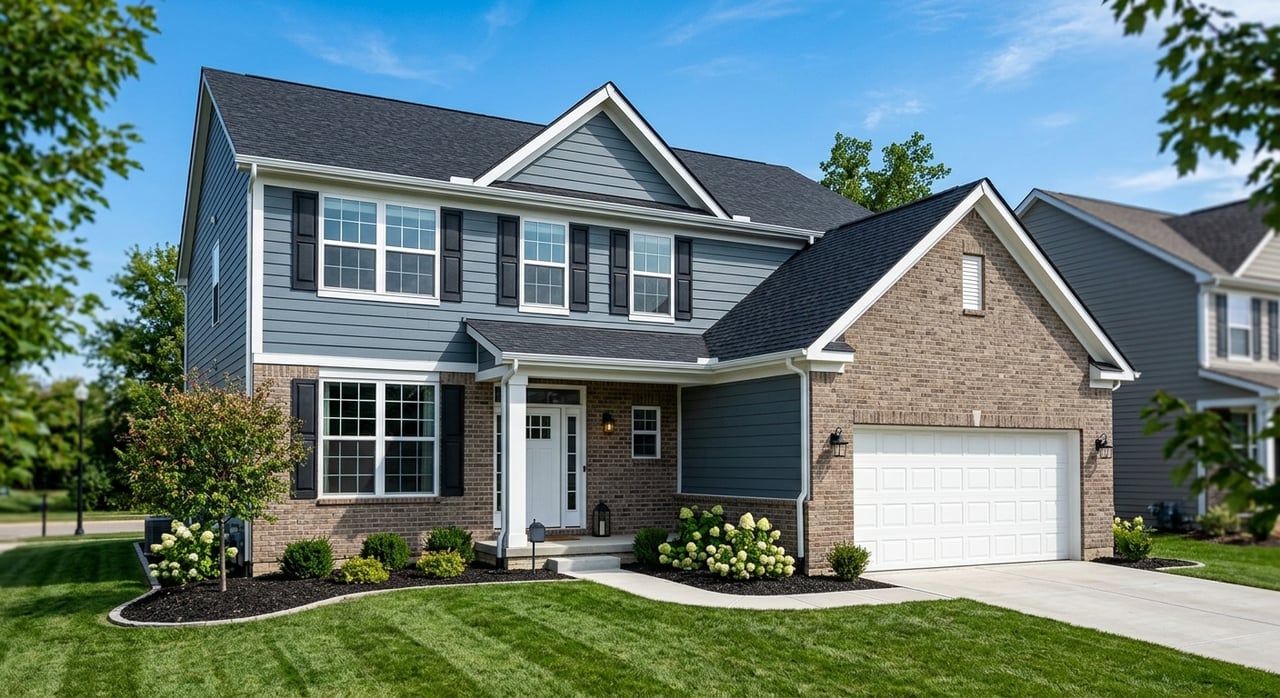
New homes often deliver improved insulation, efficient mechanicals, and modern windows and doors. That can mean lower near-term maintenance and potentially better energy performance. Ask builders about energy features, such as energy ratings or efficiency packages.
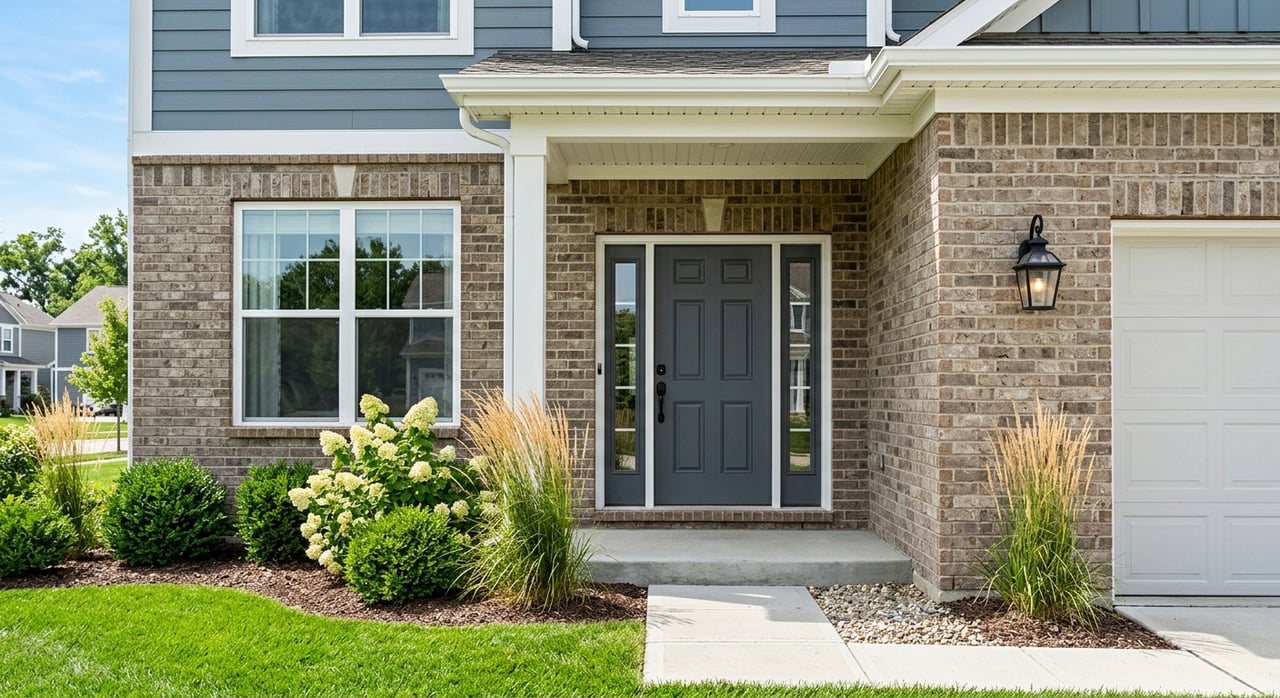
Resale homes can offer location advantages and unique character that buyers value. Mature trees, lot variety, and access to established amenities can contribute to long-term appeal. Your plan for updates and ongoing maintenance will guide the total cost of ownership over time.
If you build, you may use a construction loan or a construction-to-permanent loan. Interest during the build can affect monthly costs, and rate locks may need careful timing. Some builders require or strongly encourage the use of their preferred lender to access incentives. Ask whether outside financing is allowed without penalty and what happens if rates change.
For resale homes, a conventional mortgage with a standard rate lock is common. If you plan to renovate, ask your lender about loan products that include improvements or consider separate financing that fits your budget.
Use this list to compare options side by side and avoid surprises.
You deserve a clear path, whether you prefer a fresh build or the charm of an established street. The Currey Koertgen Team brings design-forward insight and disciplined transaction management to both options. We help you compare new-home warranty documents and upgrade lists, understand build schedules, and evaluate inspection findings on resale homes. Our process keeps timelines, budgets, and next steps aligned so you can move with confidence.
If you want to explore both paths, we will set up targeted tours of model homes, active resale listings, and neighborhoods that match your commute, school district boundaries, and lifestyle preferences. You will get a side-by-side view of costs, timelines, and likely negotiation outcomes before you decide.
Ready to weigh new construction versus resale in Algonquin and choose with clarity? Connect with the Currey Koertgen Team to get a local plan, a clean process, and a home that fits how you live.
Whether you're buying, selling, or investing, we’re here to help you navigate the market with confidence. With expert negotiation, strategic marketing, and a client-first approach, we’ll get you the best results.