If your job pulls you into Chicago but your heart is set on Algonquin, choosing the right neighborhood can make your daily commute feel predictable and stress‑light. You want access to trains, express buses, or highways without giving up the village lifestyle you love. In this guide, you will see how Algonquin’s main areas stack up for Metra, Pace, and highway access, plus the tradeoffs you should expect. Let’s dive in.
How far is Algonquin from Chicago?
Algonquin sits about 40 to 50 miles northwest of downtown Chicago. Typical point‑to‑point driving estimates to the Loop often land around one hour in normal traffic, with wide swings at peak times. You can review typical drive times using tools like Travelmath’s driving estimate and then confirm day‑of conditions with live navigation.
Key corridors that shape your commute
Algonquin’s commute experience is driven by a few major roads that connect you to I‑90, Metra stations, and regional employment hubs. The village’s road network and location are summarized on Algonquin’s overview page.
Randall Road
- Primary north‑south artery through Algonquin.
- Fastest path to I‑90 and the I‑90/Randall Road Park‑n‑Ride for Pace express service.
- Lined with retail and job sites, which makes local errands easy before or after work.
Algonquin Road (IL‑62)
- East‑west route that parallels I‑90 across the northern suburbs.
- Useful for reaching Schaumburg, Woodfield, and other employment clusters along the I‑90 corridor.
Routes 31 and 25
- North‑south connectors along the Fox River and through downtown Algonquin.
- Provide flexible surface‑street options to reach Metra stations in Cary, Pingree Road, and Crystal Lake.
Transit options that matter
You have three main approaches: drive only, drive to Metra, or drive to a park‑and‑ride and use Pace express buses.
Metra access from Algonquin
Algonquin does not have its own Metra station. Most residents use the Union Pacific Northwest (UP‑NW) line from Crystal Lake, Pingree Road, or Cary, which runs to Ogilvie Transportation Center in downtown Chicago. You can see the line overview on the UP‑NW route page.
- Crystal Lake Station: Zone 4, with multiple lots and roughly 1,000 plus total parking spaces. Check the Metra Crystal Lake station page for current parking counts, fares, and amenities.
- Service pattern tip: The McHenry branch has limited, peak‑only service compared with the main line. Always confirm which trains serve your preferred station and at what times. A quick primer on that difference appears in this UP‑NW background summary.
What to expect: For many Algonquin residents, the drive to a UP‑NW lot is about 5 to 20 minutes depending on your neighborhood and traffic. The rail ride into downtown can range from about 60 to 90 plus minutes based on express vs. local trains. Check current timetables before you buy so your daily rhythm matches a station with the right schedule and parking availability.
Pace express on the I‑90 SmartRoad
Pace expanded service along I‑90 with flex lanes that help buses bypass congestion during peak periods. The I‑90/Randall Road Park‑n‑Ride offers about 150 free spaces and is served by routes that connect to Rosemont for CTA Blue Line transfers, Schaumburg, and other I‑90 corridor jobs. Get a full overview on the Pace I‑90 Market Expansion page.
What to expect: If you live near Randall Road or can reach it quickly, the express bus can be competitive with driving, especially when you factor in the cost and time of downtown parking. It is also a strong option if you commute to O’Hare or transfer to CTA for final‑mile travel.
Neighborhood comparison for Chicago commuters
Below is a commute‑first view of four Algonquin areas. Each offers a different blend of first‑leg drive, transit options, and housing styles.
Old Town and the Fox River waterfront
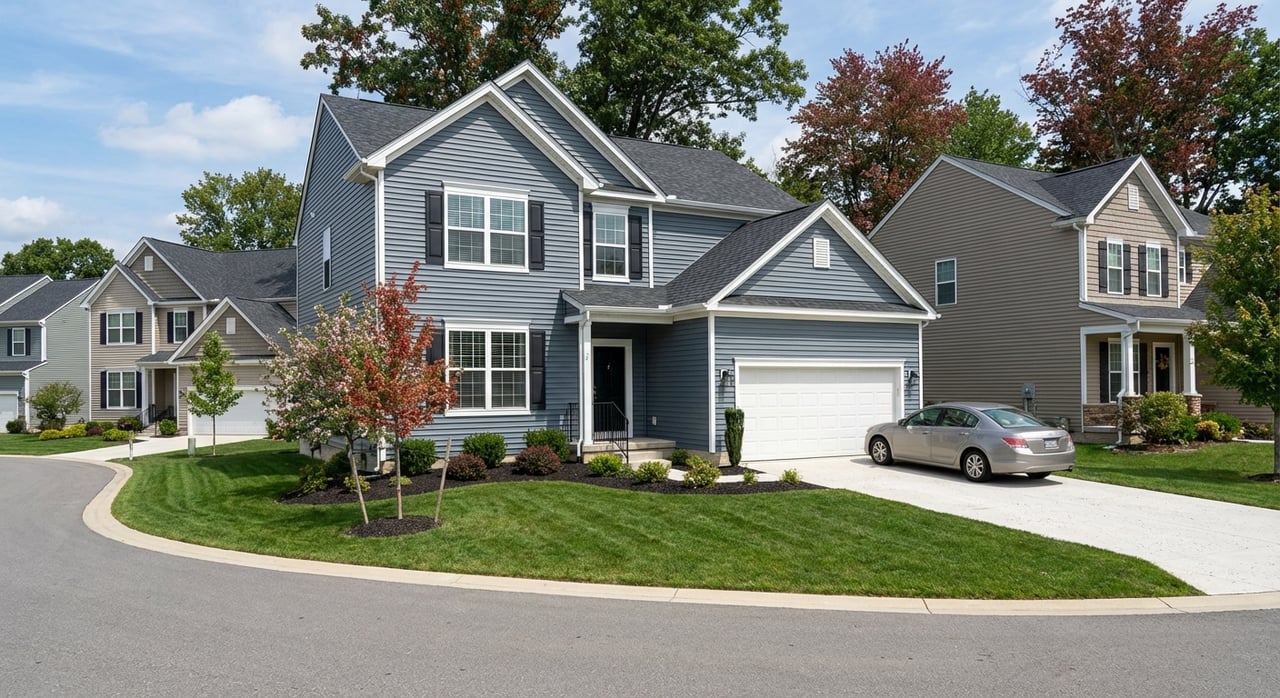
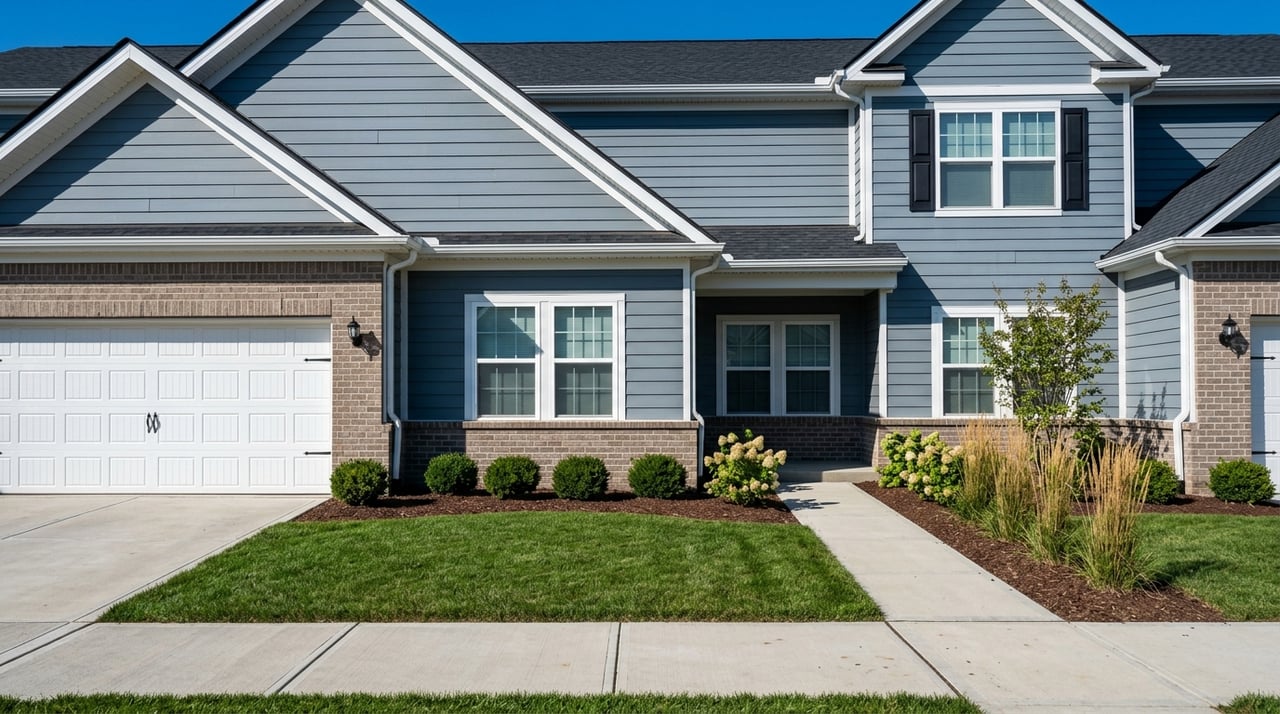
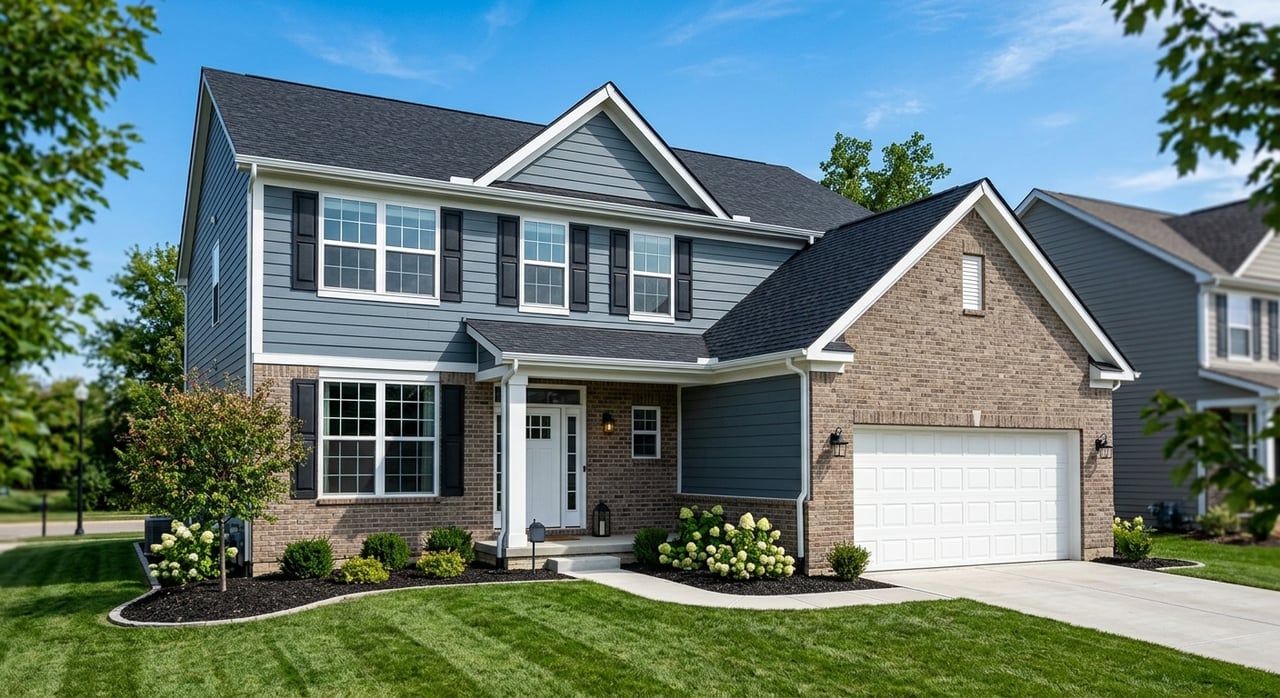
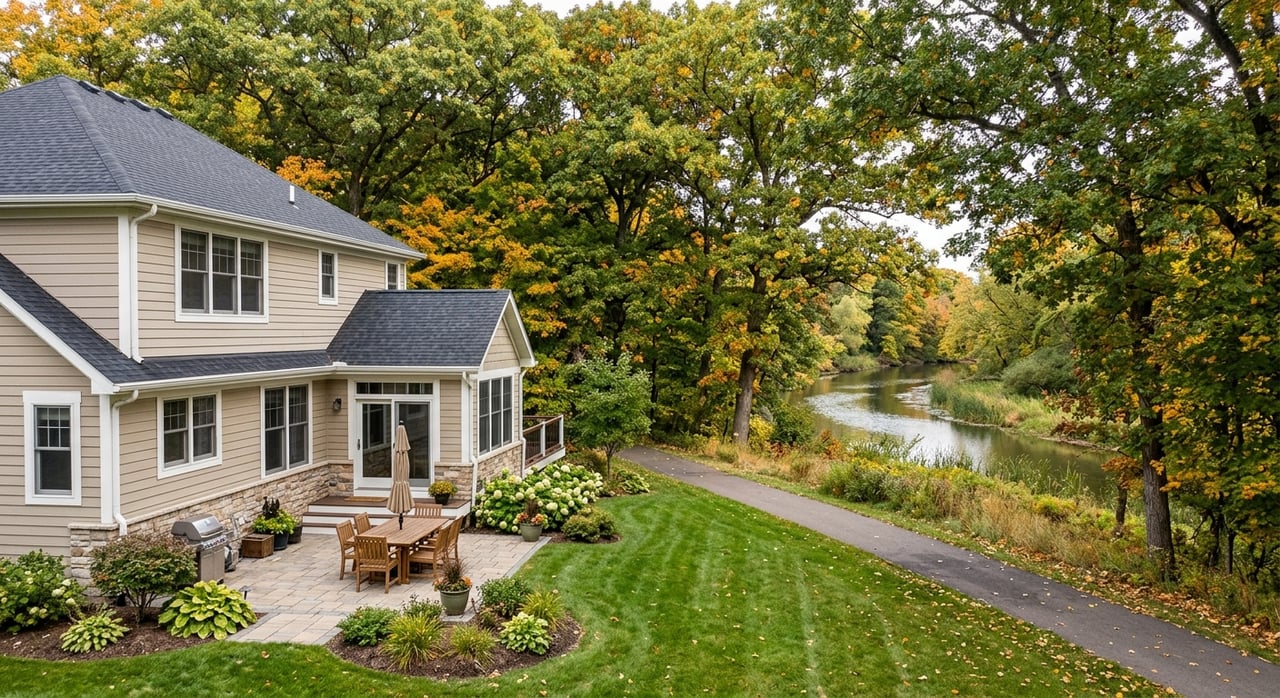
- Housing character: Older and historic homes, some downtown condos, and smaller lots with a pedestrian‑friendly vibe near Main Street and the riverfront. See a local snapshot of Old Town living on A+ Algonquin’s Old Town page.
- Commute profile: Short drives to Route 31 and Algonquin Road. Expect about a 10 to 20 minute drive to Metra parking at Cary, Pingree Road, or Crystal Lake in typical conditions. You trade quick highway access for village walkability and riverfront amenities.
Randall Road and Algonquin Commons corridor
- Housing character: Many post‑1990 subdivisions with single‑family homes and townhomes; retail and services line Randall Road. A local overview of the corridor’s growth appears in this Algonquin Commons context piece.
- Commute profile: Best for highway and park‑and‑ride access. You are positioned for quick hops onto I‑90 and easy access to the I‑90/Randall Road Park‑n‑Ride for Pace express buses. If you split your commute between driving and transit, living near Randall gives you the most flexibility.
Far West Algonquin toward Huntley and Lake in the Hills
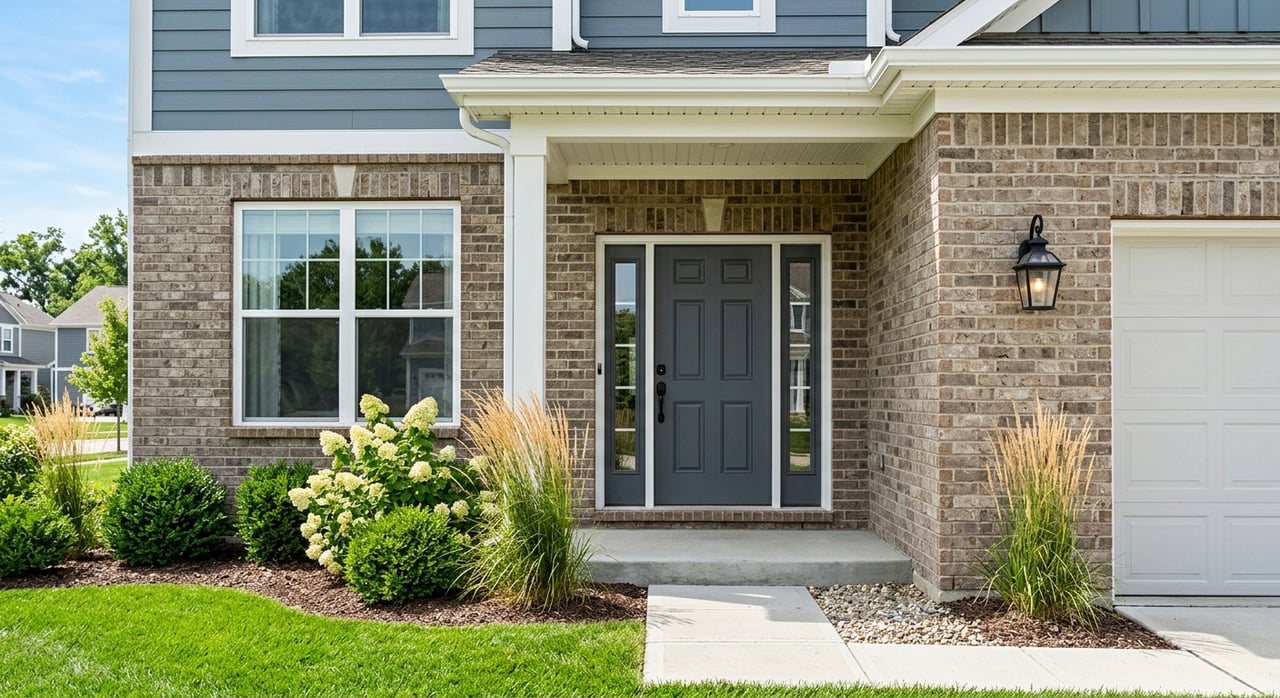
- Housing character: Newer, planned subdivisions with larger lots and a wide mix of single‑family styles that appeal to buyers who want more space. A market snapshot of this area is summarized on Homes.com’s Far West Algonquin guide.
- Commute profile: Often faster to reach westbound I‑90 ramps, but farther from UP‑NW Metra lots in Cary or Crystal Lake. This can be a smart pick if you prioritize highway commuting or travel to I‑90 corridor jobs more than daily rail.
East Algonquin and the Route 31 corridor
- Housing character: A mix of historic and mid‑century homes with some smaller subdivisions and river‑adjacent properties.
- Commute profile: Convenient for downtown Algonquin life with flexible access to Route 31 and IL‑25. Drive times to Cary, Pingree Road, or Crystal Lake are moderate, and Randall Road is still reachable for Pace express connections.
Which commute fits your day?
Your best neighborhood depends on how you get to work and how often you expect to change modes.
Drive only to downtown Chicago
Typical estimates from Algonquin to the Loop often range from about 50 to 75 minutes depending on time of day and route. Review averages with Travelmath’s drive‑time estimate and verify live traffic the morning you travel. If you value door‑to‑door control and work flexible hours, the Randall Road corridor and Far West areas tend to offer the most direct I‑90 access.
Drive to Metra and ride the UP‑NW
Plan for a 5 to 20 minute first‑leg drive to Cary, Pingree Road, or Crystal Lake. The train ride to Ogilvie often falls in the 60 to 90 plus minute range depending on your train. For a more predictable experience, choose a station with consistent parking availability and a schedule that matches your start and end times. You can scan the UP‑NW line overview and confirm details on station pages like Crystal Lake.
Park‑n‑ride and take Pace express
If you live near Randall Road or want to skip downtown parking, the I‑90/Randall Road Park‑n‑Ride and I‑90 express service are strong options. Buses use SmartRoad flex lanes when available to move past congestion and connect to Rosemont for the CTA Blue Line, Schaumburg, and other corridor jobs. Review routes and the park‑and‑ride overview on the Pace I‑90 expansion page, then check the current timetable that fits your hours.
Quick checklist to choose your area
- Decide your primary mode first. Driving daily, riding Metra, or using Pace express will point you to the right corridor.
- Test your first‑leg drive. Map your morning trip to Cary, Pingree Road, Crystal Lake, or the I‑90/Randall Road Park‑n‑Ride during your actual commute window.
- Check parking and schedules. Confirm Metra lot capacity and departure times, and review Pace route frequency that fits your workday.
- Plan for flexibility. If you expect to mix modes, prioritize neighborhoods near Randall Road for bus access plus reasonable drives to UP‑NW stations.
- Compare lifestyle tradeoffs. Old Town and Route 31 offer village charm and river access. Randall and Far West lean toward newer homes and the most direct highway access.
Sample commuter personas
- Downtown‑first buyer: You want a walkable feel near Main Street and river events, and you plan to ride Metra most days. Old Town or the Route 31 corridor can fit well. Expect a short drive to Cary, Pingree Road, or Crystal Lake and a predictable rail ride into Ogilvie.
- Highway and express‑bus commuter: Your job sits along I‑90 or you prefer Pace express with a Blue Line transfer at Rosemont. Living near the Randall Road corridor minimizes surface‑street time to I‑90 and the park‑and‑ride.
- Space‑seeker with hybrid commute: You want a newer home and larger yard, and you split your days between driving and transit. Far West Algonquin can offer more house for the money with quick I‑90 access; just factor in a longer first‑leg drive to UP‑NW stations if you ride the train.
Plan your commute like a pro
- Confirm schedules and parking before you buy. Metra and Pace adjust service over time, and parking availability can shift. Use the UP‑NW overview and station pages for current details, and review the Pace I‑90 project page for route updates.
- Remember the McHenry branch caveat. The UP‑NW’s McHenry branch runs limited, peak‑focused trains. If you need frequent all‑day options, confirm your chosen station’s service pattern before you commit.
- Test multiple routes at your commute hour. Day‑of traffic and weather impact drive times. A few trial runs will show you which neighborhood gives you the most reliable morning and evening windows.
Ready to zero in on the right Algonquin neighborhood for your commute and lifestyle? Get local, hands‑on guidance from the Currey Koertgen Team. We will help you weigh transit access, home styles, and resale value so you can move with confidence.
FAQs
How far is Algonquin from downtown Chicago for commuters?
- Algonquin is about 40 to 50 miles northwest of the Loop, with typical drives often around one hour and wide variation during peak periods.
Does Algonquin have its own Metra station?
- No. Most residents use the UP‑NW line from Crystal Lake, Pingree Road, or Cary to reach downtown Chicago.
Where can you park for the train if you live in Algonquin?
- Common choices are the Crystal Lake, Pingree Road, and Cary stations. Crystal Lake offers multiple lots with a large overall parking supply; always check current availability.
Are there express bus options from Algonquin to Chicago or O’Hare?
- Yes. The I‑90/Randall Road Park‑n‑Ride connects to Pace I‑90 express routes that serve Rosemont for Blue Line transfers and Schaumburg corridor jobs.
Which Algonquin area is best for highway access?
- Neighborhoods near the Randall Road corridor and Far West Algonquin typically offer the most direct access to I‑90, which helps if you drive daily or commute along the I‑90 job centers.