Single-Family Vs. Townhome Living In Elgin, IL
March 5, 2026
March 5, 2026
Trying to choose between a single-family home and a townhome in Elgin? You are not alone. Both options can work well here, but the right fit comes down to how you want to live, what you want to spend each month, and where in Elgin you want to be. In this guide, you will learn how costs, maintenance, privacy, taxes, and neighborhoods compare so you can move forward with confidence. Let’s dive in.
Elgin offers a wide mix of attached and detached homes at approachable price points. Recent citywide figures show a typical home value around $320,290, while another data source shows a median sale price near $308,000, and a third tracks median list prices in the low $320ks to low $330ks. These snapshots frame a realistic range across neighborhoods and property types.
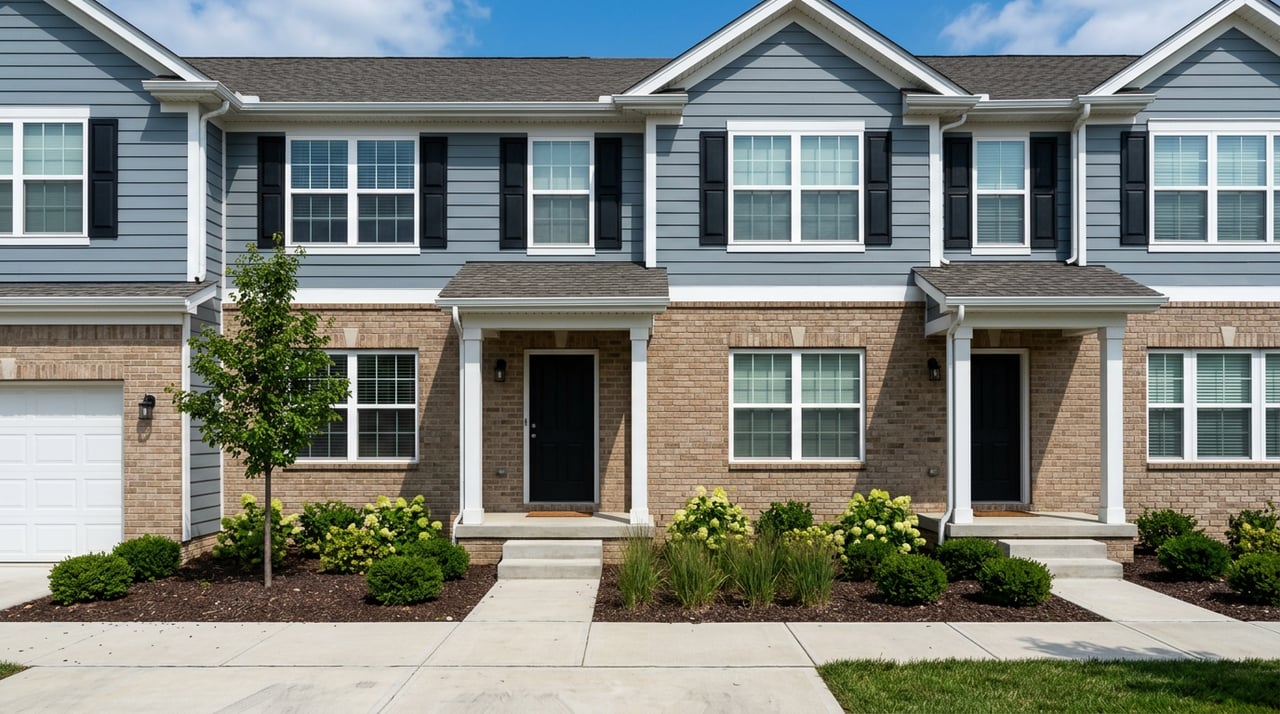
Townhomes often list below or near the city median, especially downtown. For example, many River Park Place townhomes close to the Fox River and festivals commonly run about $270k to $320k for roughly 1,700 to 1,900 square feet. Single-family homes span a wider band, from older character homes near Lords Park and Spring-Douglas to larger move-up homes west of Randall Road. The key takeaway: prices overlap. You will see well-finished townhomes priced like modest single-family homes and vice versa depending on size, condition, and location.
Townhomes in Elgin commonly sit in HOA communities. Typical HOA dues range from about $120 to $350+ per month, depending on amenities. These dues often cover exterior maintenance, lawn care, snow removal, and parts of the master insurance policy. You still handle interior repairs, but many exterior tasks are off your list.
With a single-family home outside an HOA, you control all exterior decisions and timing. You also take on full responsibility for roof, siding, driveway, landscaping, and snow removal. Costs are less predictable month to month and can come in larger, lump-sum projects. It is smart to set a yearly maintenance reserve and adjust it for the age and condition of the home.
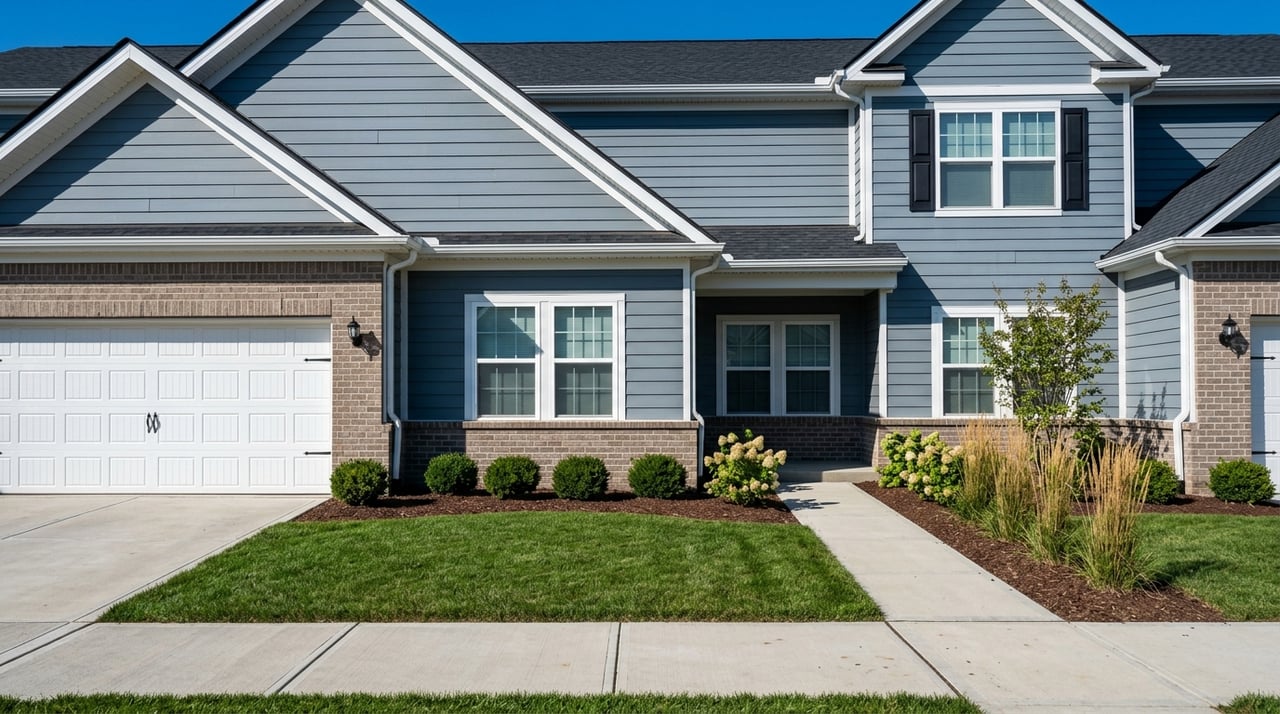
Townhomes share one or more walls, so you may experience more neighbor noise and less exterior privacy. Many Elgin townhomes, especially downtown row styles, emphasize vertical living with balconies or rooftop decks rather than expansive yards. A detached single-family home gives you more setback from neighbors, a private yard, and typically more storage and hobby space.
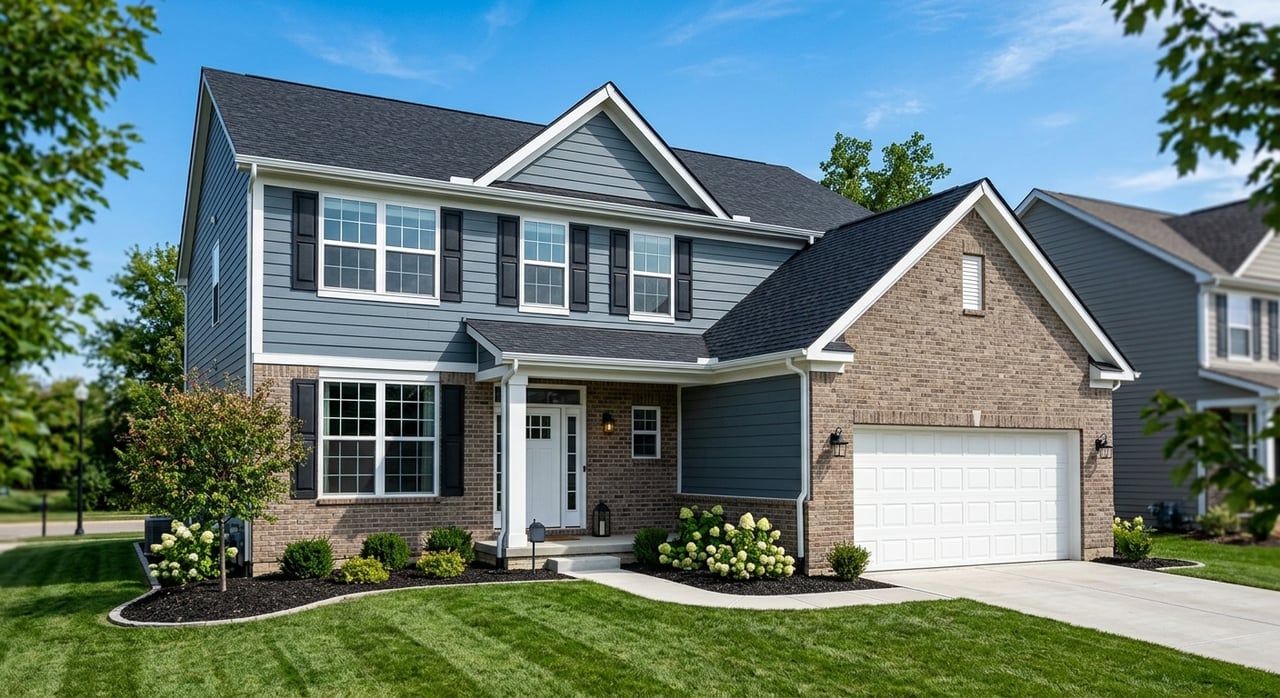
If you want a yard for pets, gardening, or play, a single-family home will likely serve you better. Many Elgin listings show 6,000 to 10,000+ square foot lots with 3 to 4 bedrooms and 1,500 to 2,700+ square feet of living space. Townhomes commonly trade bigger yards for lower upkeep and walkable access to coffee, dining, and the riverfront.
Most townhomes are multi-level with interior stairs between living, bedroom, and garage levels. If you prefer main-level living or fewer stairs, a single-family ranch or two-story with a main-floor bedroom might be a better fit.
You will compare the same five components no matter which type you choose.
| Component | Single-family | Townhome |
|---|---|---|
| Mortgage (P&I) | Based on price, rate, and down payment | Based on price, rate, and down payment |
| Property taxes | Use local effective rate, then divide by 12 | Use local effective rate, then divide by 12 |
| Insurance | HO-3 policy for the whole dwelling | HO-6 policy for interior; HOA master covers exterior in most cases |
| HOA dues | Usually none outside HOAs | Required in most communities; budget $120–$350+ per month |
| Maintenance reserve | Plan roughly 1% of value per year or $1 per sq ft, then divide by 12 | Lower exterior burden, but still budget for interior systems and finishes |
Tip: For attached homes, ask the HOA exactly what the master insurance covers so you can size your HO-6 policy correctly. Learn how to read a master policy and coverage levels using this helpful guide on understanding your HOA’s certificate of insurance.
Elgin’s effective property tax burden is typically above the U.S. average. A common range you will see referenced is about 2.4% to 2.7% of market value each year, depending on the exact taxing districts that serve the home. For a simple estimate:
Actual bills vary by parcel and district mix. Always verify with the county records and your agent or attorney before finalizing a budget. For context on Elgin’s effective rates, review the local snapshot on Kane County and Elgin property taxes.
Ownership type shapes your coverage. Most single-family homes use an HO-3 policy that insures the entire structure and any detached buildings. Many townhome or condo owners use an HO-6 policy, which covers the interior, personal property, and liability, while the HOA’s master policy insures the exterior and common elements. Master policies vary by community. Some are “all-in,” others are “walls-in,” and some are “bare walls.” Confirm coverage limits and deductibles so you can right-size your individual policy. A practical overview is available in this guide to reading your HOA insurance certificate.
Newer brick row and townhome options cluster near the Fox River and downtown amenities. Typical units run about 1,700 to 1,900 square feet with two-car garages, balconies, or rooftop decks. Recent sale and list activity often falls in the $270k to $320k range depending on finishes and views. If you want walkable access to dining, festivals, and Metra stations, this area is worth a close look. Because some river-adjacent parcels have seen flooding after heavy storms, build flood due diligence into your process. Review FEMA maps, ask about past water events, and confirm whether flood insurance is required.
Near the east side parks and the historic district, you will find character homes in varied architectural styles, often with larger lots than downtown row homes. Typical single-family floor plans offer 3 to 4 bedrooms and 1,500 to 2,600+ square feet. If mature streetscapes and yard space matter, put this zone on your tour list. For a concise overview of the historic district context, see the profile of the Spring-Douglas Historic District.
These subdivisions trend newer and larger. Floor plans commonly run 2,200 to 3,000+ square feet with 3 to 4 bedrooms. Well-updated homes in these neighborhoods often sell above the city median, reflecting size, condition, and community features. If you want more space, private yards, and a traditional suburban feel, this area aligns well with a single-family search.
If you commute, Elgin offers three Metra stations on the Milwaukee District West Line: Elgin/Chicago Street, National Street, and Big Timber Road. Schedules and weekend service vary, so always confirm current timetables with the City’s Metra and transit page before deciding on a location.
For school questions, Elgin is served by Elgin Area School District U-46, which spans multiple communities. Attendance boundaries can affect value and your daily routine. Use the district’s tools to verify a specific property’s assignment on the U-46 website.
Over the long term, national research shows townhomes and single-family homes have delivered broadly similar appreciation in many markets. In Elgin, neighborhood, school assignment, flood risk, and HOA health tend to influence value more than whether a home is attached or detached. Citywide, the market is somewhat competitive, and conditions vary by price band and area. Your best move is to study recent comparable sales in the exact neighborhood you are considering.
Both paths can be smart. The right answer aligns your lifestyle with the numbers.
Use this quick list to make a confident choice:
When you are ready to compare actual homes, bring a couple of active listings for each type. Add up the total monthly housing cost line by line. Then layer in lifestyle factors like stairs, storage, outdoor space, and commute.
If you would like a side-by-side analysis of your short list, neighborhood context you can trust, and clear next steps to closing, the Currey Koertgen Team is ready to help.
Whether you're buying, selling, or investing, we’re here to help you navigate the market with confidence. With expert negotiation, strategic marketing, and a client-first approach, we’ll get you the best results.