Thinking about selling your St. Charles home and want a clear plan that gets results? You are not alone. In the Fox Valley corridor, buyers care about commute access, functional spaces, and move-in-ready presentation. This guide gives you a step-by-step path from first walkthrough to sold, with local context for St. Charles, Elgin, and greater Kane County. You will learn what to fix, how to stage, when to list, and how to market so you maximize price and minimize days on market. Let’s dive in.
Know your Fox Valley buyer
St. Charles and Elgin attract a mix of commuters, local families, downsizers, and first-time buyers. Proximity to Metra service and the I-88, Route 31, Route 64, and Route 38 corridors shapes what buyers value, including maintenance, functional kitchens, and practical mudroom or laundry spaces.
School district information matters to many buyers, and property tax levels can influence comparisons with nearby suburbs. Neighborhoods vary, from St. Charles historic districts to newer subdivisions and riverfront homes, and each benefits from tailored staging and marketing.
Market activity is seasonal. Spring and early summer often bring higher listing and showing volume, while fall can be slower. Ask your agent to pull current local comps and days on market from the MLS so your pricing and timing reflect today’s conditions, not last year’s averages.
Start with a smart walkthrough
A focused walkthrough prevents surprises and helps you invest where it matters most.
Safety and systems first
- Confirm HVAC, water heater, roof, electrical safety (including GFCIs), and plumbing are functioning.
- Fix safety hazards before cosmetic updates.
- Gather service records and past inspection reports. Consider a pre-listing inspection to shorten contingencies.
- Review Illinois seller disclosure requirements and complete forms accurately.
Curb appeal and first impressions
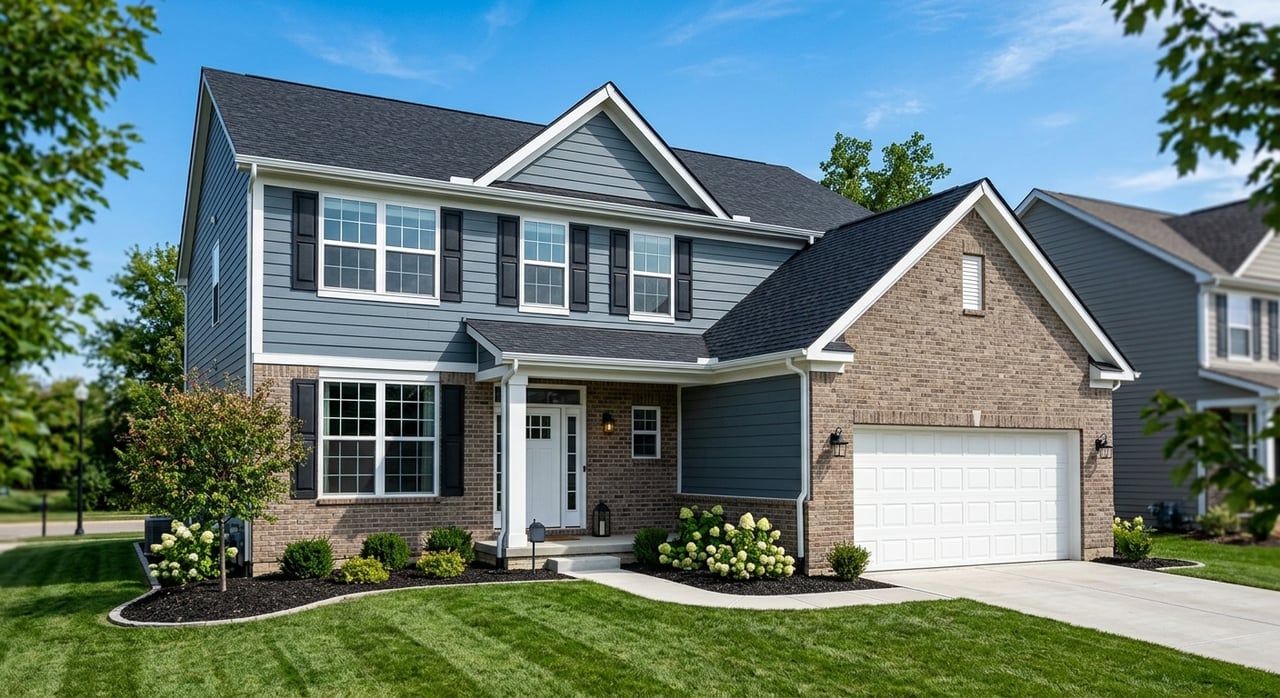
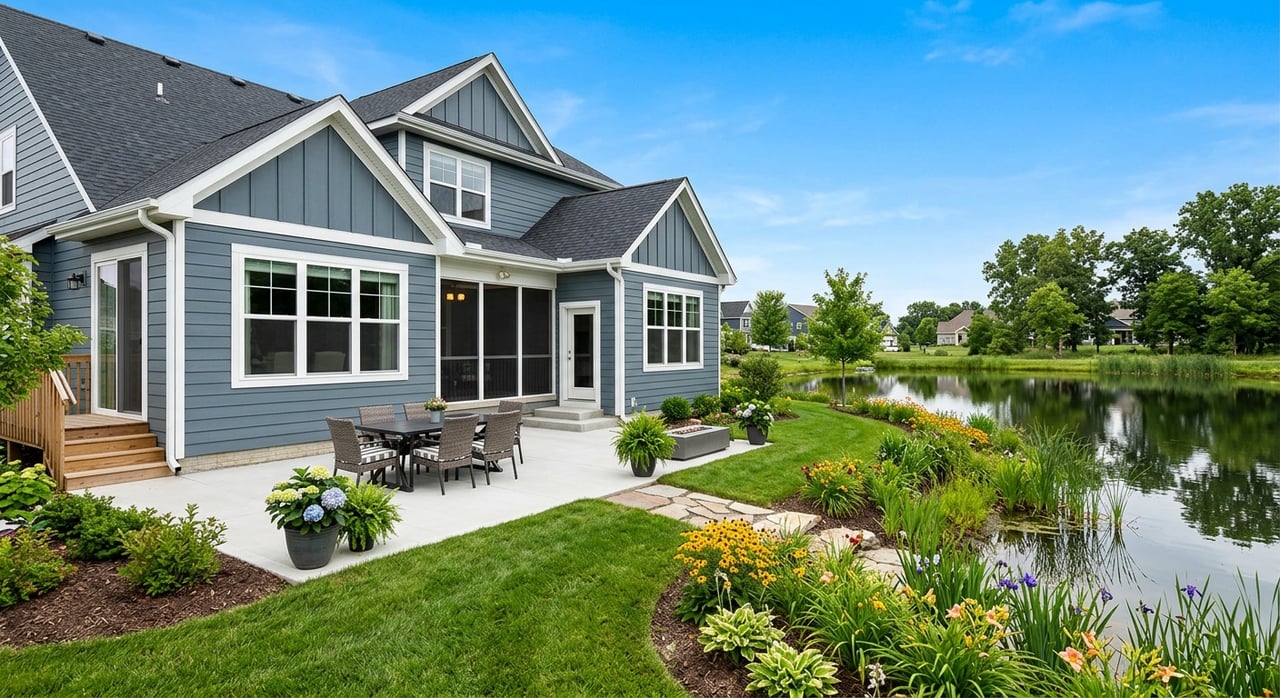
- Mow and edge the lawn, trim shrubs, remove dead plant material, and add fresh mulch where helpful.
- Power-wash siding and the driveway if stained.
- Repair loose gutters or downspouts and address visible exterior defects.
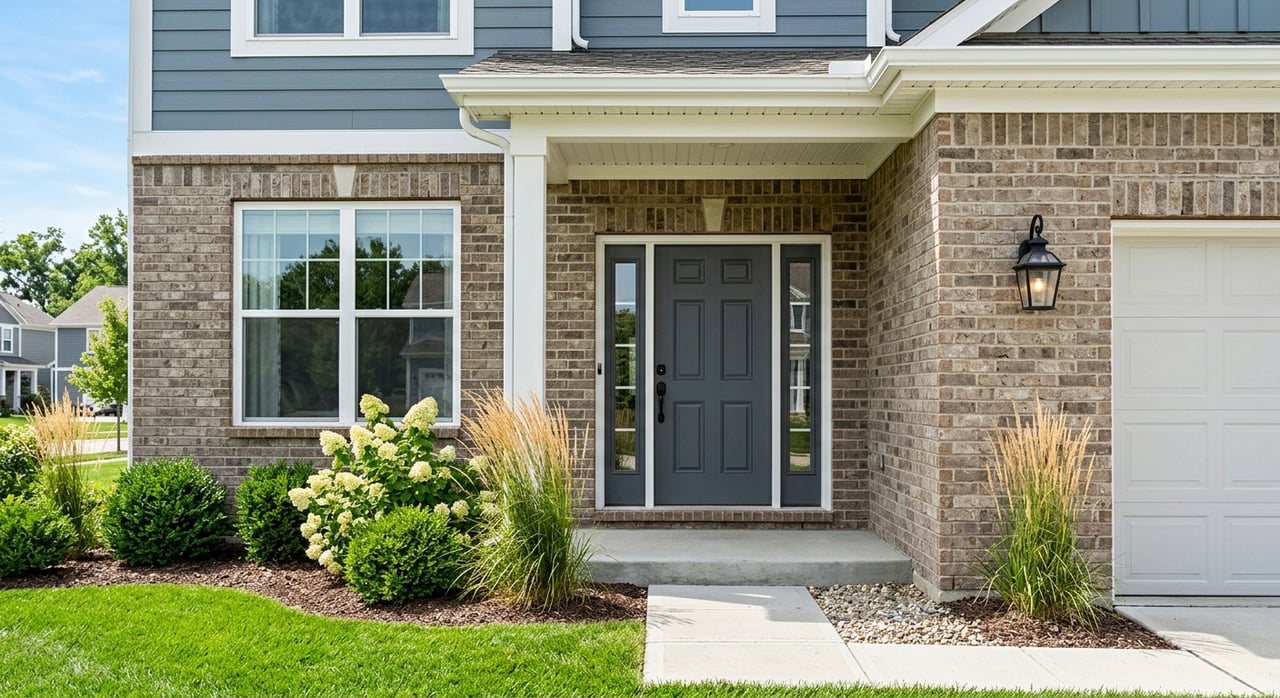
- Refresh house numbers, mailbox, and entry hardware so the front door area feels clean and cared for.
Declutter and deep clean
- Remove extra furniture to improve traffic flow and make rooms feel larger.
- Depersonalize by storing personal photos and collectibles.
- Deep clean kitchens, baths, carpets, windows, and light fixtures. Replace heavily stained carpet if cleaning does not help.
- Clear countertops and open up workspace surfaces.
Minor fixes and cosmetic updates
- Patch and repaint scuffs with neutral, warm tones. Touch up trim and doors.
- Replace broken bulbs and consider swapping dated light fixtures for affordable, modern options.
- Refasten cabinet hardware, fix small leaks, and quiet squeaky doors or sticky windows.
Kitchens and baths: small wins
- Update faucets and cabinet hardware if they are worn or dated.
- Refresh grout and caulk for a clean, bright look.
- Ensure toilets, tubs, and showers are in good working order.
- Consider cabinet paint or refacing only if cost aligns with nearby comps.
Flooring and lighting
- Repair damaged flooring or replace small sections that draw the eye.
- Refinish or professionally clean hardwood floors when feasible.
- Maximize natural light. Use higher-output warm LED bulbs and add task and accent lighting.
Big exterior calls: budget vs. value
- Roof, siding, and structural items can impact inspections. Consult your agent about whether to repair pre-listing or price accordingly.
- A refreshed garage door and modest, tidy landscaping often punch above their weight for curb appeal.
Design-forward staging that sells
Thoughtful staging helps buyers imagine daily life in your home and often shortens days on market.
Staging principles that work in St. Charles
- Aim for neutral but warm colors, layered textures, and a few controlled accent tones.
- Remove excess furniture to maximize perceived space and create clear pathways.
- Highlight focal points like a fireplace, bay window, or kitchen island.
- Use layered lighting to make rooms feel larger and more inviting.
Room-by-room quick wins
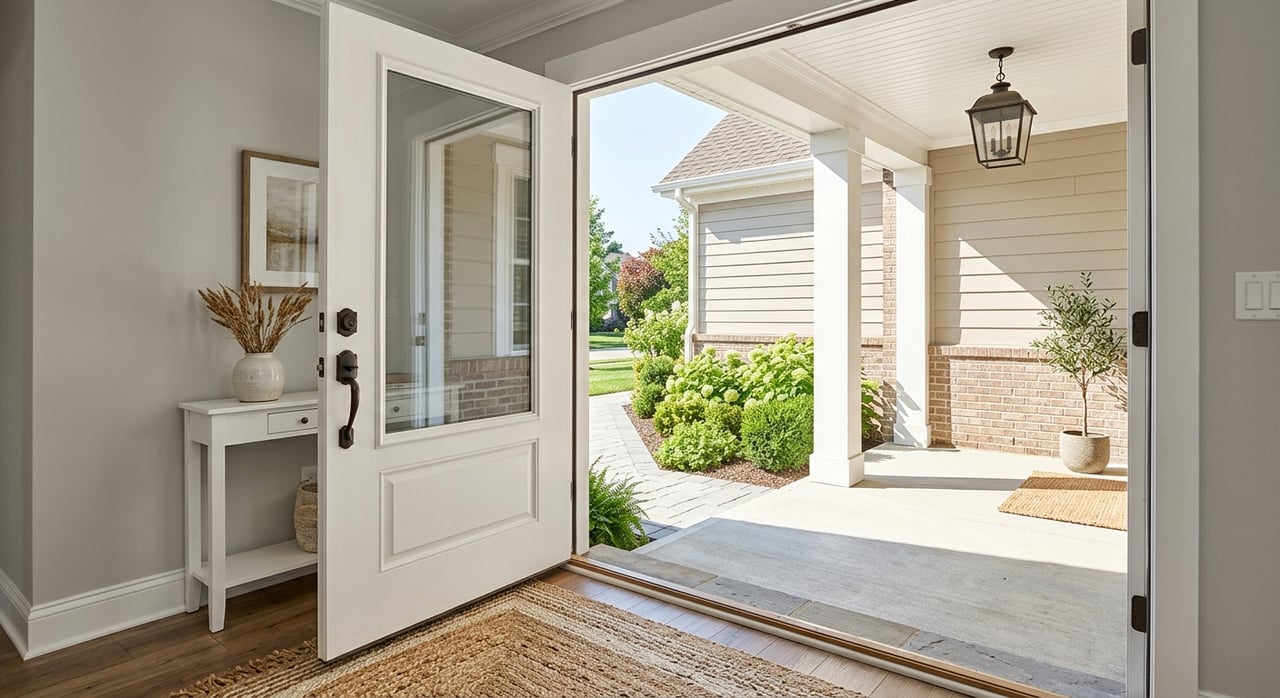
- Entry: Clear surfaces, add a scaled rug and mirror, and update a dated light fixture if it is an easy swap.
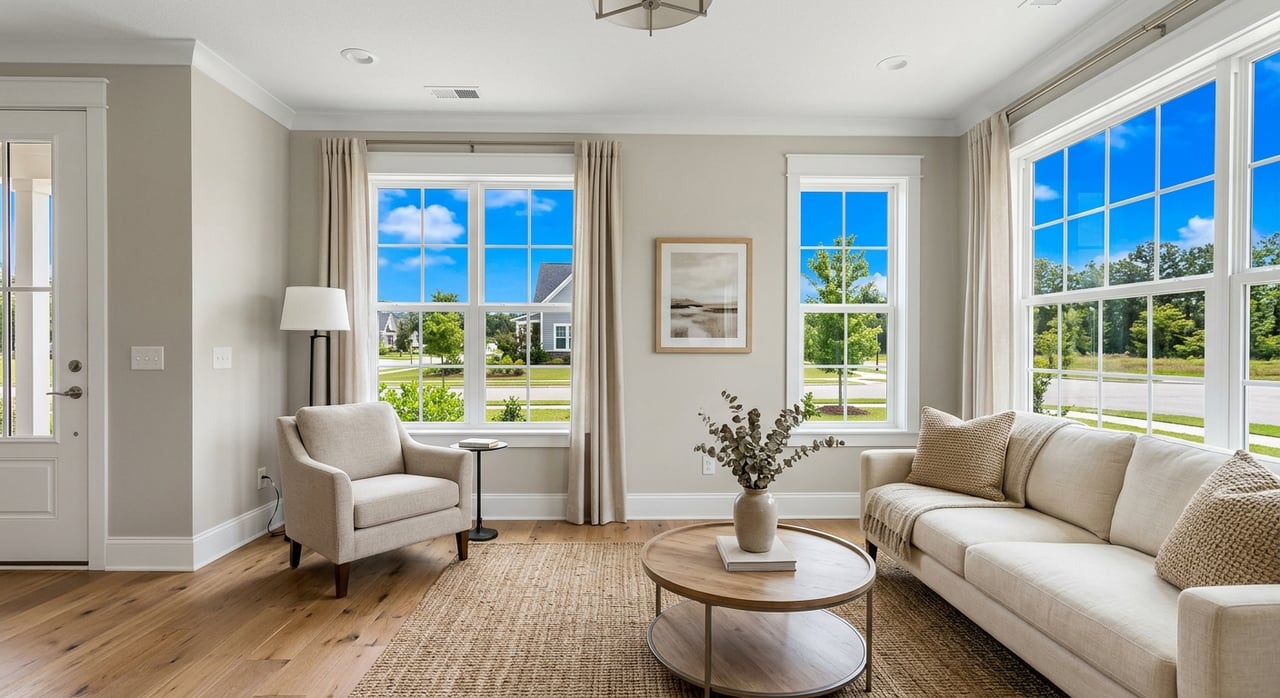
- Living room: Center seating at the focal point, add a neutral rug, and keep art simple.
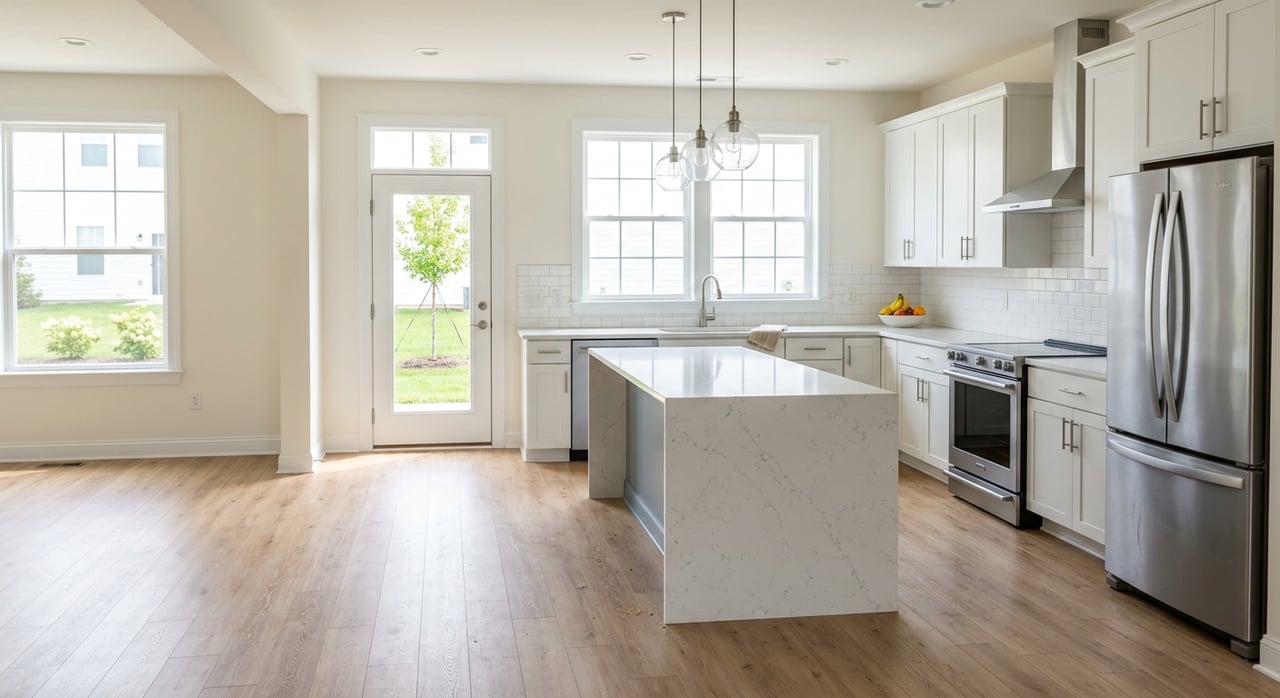
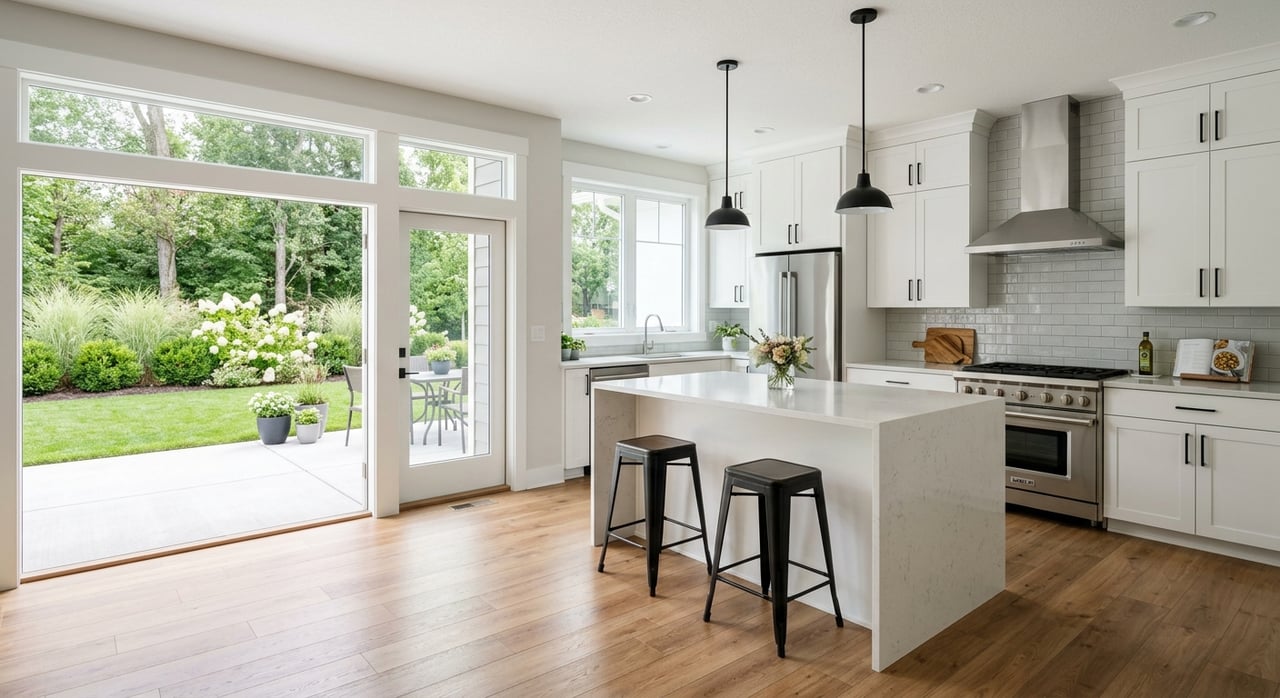
- Kitchen: Clear counters, align cabinet doors, add one plant or a bowl of fruit for life and color.
- Dining room: Set a simple table vignette to show scale without clutter.
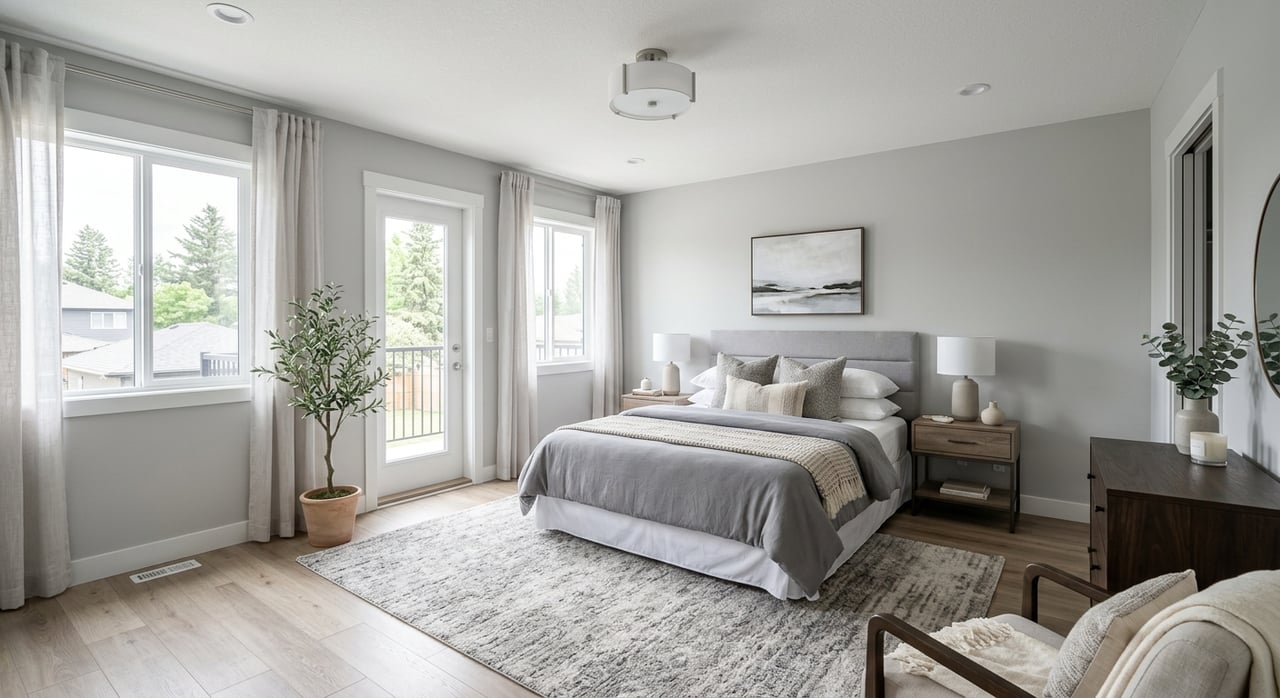
- Primary bedroom: Neutral bedding, limited furniture, and organized closets.
- Bathrooms: Bright towels, new shower curtain if needed, fresh caulk, and clean glass.
- Basement or flex spaces: Show one purpose, like an office or gym, staged minimally.
- Outdoor areas: Tidy patio, add seating, prune trees that block light, and add seasonal planters.
What staging costs locally
- DIY staging and decluttering: Minimal out-of-pocket cost, higher time investment.
- Professional staging consultation: Often 150 to 500 dollars for a one-time walkthrough.
- Partial staging: Typically 500 to 2,000 dollars for selected rooms.
- Full staging: Often 2,000 to 6,000 dollars or more, depending on size and duration.
- Professional photos, floor plan, and virtual tour: Often 150 to 600 dollars or more, with higher cost for drone or twilight.
Staged homes usually attract more showings and sell faster according to industry surveys. For the most accurate local picture, compare staged versus non-staged results in recent St. Charles and Elgin MLS data.
Photos and tours drive showings
Most buyers first discover your home online. Prioritize photography and media that tell a complete story.
- Schedule photos when interiors are brightest.
- Turn on all lights and open blinds. Hide cords, pet bowls, and personal items.
- Include multiple exterior angles, especially if landscaping or setting is a strength.
- Consider floor plans and 3D tours to help commuter and out-of-town buyers evaluate layout.
Your 6 to 8 week prep timeline
Use this as a starting point. Adjust based on seasonality and your move date.
- Weeks 6 to 8: Schedule larger repairs and confirm any permit needs with the city or county. Line up contractors and get three written bids for any job over 2,000 dollars.
- Weeks 3 to 4: Finish repairs, complete interior and exterior painting, and deep clean.
- Weeks 1 to 2: Declutter final items, complete staging, and book professional photos. Draft listing remarks and feature callouts.
- Day 0: Go live on the MLS with a lockbox, showing instructions, floor plan, and media.
- First 1 to 2 weeks: Expect peak activity. Keep the home show-ready and flexible for appointments.
- Under contract: Negotiate inspection items, appraisal expectations, and contingency deadlines.
- Closing: Complete agreed repairs, plan utility transfers, and prepare for the buyer’s final walkthrough.
Showing strategy and safety
- Remove valuables and prescription medications before showings.
- Schedule through your agent and use a secure lockbox to manage traffic.
- Make the home easy to show with broad availability. More access often means more offers.
- Plan for pets to be out or safely contained.
- Before each showing, do a 5-minute sweep: lights on, shades open, counters clear, trash removed, and a quick pass with a microfiber cloth on kitchen and bath surfaces.
Negotiation prep to keep deals together
Staged, well-presented homes often receive stronger early interest. Give buyers confidence by having documentation ready.
- Prepare a repair and information packet with service records, warranties, recent upgrades, and any inspection reports.
- Decide in advance whether you will offer credits for minor items or complete them before listing.
- Consider a pre-listing inspection if you want fewer surprises and more control over timing.
Pre-listing inspection: pros and cons
- Pros: Reduces surprise demands, lets you shop contractors, and can be factored into pricing and disclosures.
- Cons: Costs money up front and may require you to disclose issues the buyer might not have found until later.
Final walkthrough and closing checklist
- Complete agreed-upon repairs and keep receipts in a folder for the buyer.
- Deep clean after move-out, including appliances, cabinets, and floors.
- Gather keys, garage remotes, mailbox keys, and any gate or alarm fobs.
- Leave appliance manuals, warranties, and a list of utility providers.
- Schedule utility transfers for the day of closing.
When should you invest more?
Small, targeted updates often outperform major remodels for sellers. Neutral paint, lighting, hardware, curb appeal, and professional photos typically deliver a strong return without overextending your budget.
Consider larger projects only when local comps show clear demand for those upgrades or when inspection items would be red flags. Use recent neighborhood sales and recognized cost versus value resources to estimate what you can realistically recoup before committing to big spends.
Ready to list in St. Charles?
You do not need a full renovation to sell well. You need a clear plan, smart presentation, and disciplined marketing. That is where our design-forward approach and structured launch process help you stand out from the first click to the closing table. If you want a tailored prep plan, room-by-room staging guidance, and a confident path from walkthrough to sold, connect with the Currey Koertgen Team.
FAQs
Should I stage my St. Charles home or sell as-is?
- Staging is a low-risk way to boost interest and shorten days on market, especially when paired with light updates and strong photos; consider selling as-is only if major system or structural issues make repairs impractical.
What upgrades matter most for St. Charles and Elgin buyers?
- Neutral paint, updated lighting and hardware, tidy landscaping, and clean, functional kitchens and baths typically move the needle more than big remodels.
How much should I budget for prep before listing?
- Many sellers see results with a few hundred to a few thousand dollars for paint, cleaning, hardware, a staging consultation, and professional photos; get multiple quotes and prioritize by impact.
Do professional listing photos really matter in Kane County?
- Yes, photos are often a buyer’s first impression online; better images drive more clicks and showings, which can lead to stronger offers.
Do I need to leave the house during showings?
- Yes, it is best for you and pets to be out so buyers can focus and feel comfortable spending time in the home.
Is a pre-listing inspection worth it in Illinois?
- It can be helpful if you want fewer contingencies and better control of repairs and pricing; discuss with your agent to decide if it fits your strategy in today’s market.