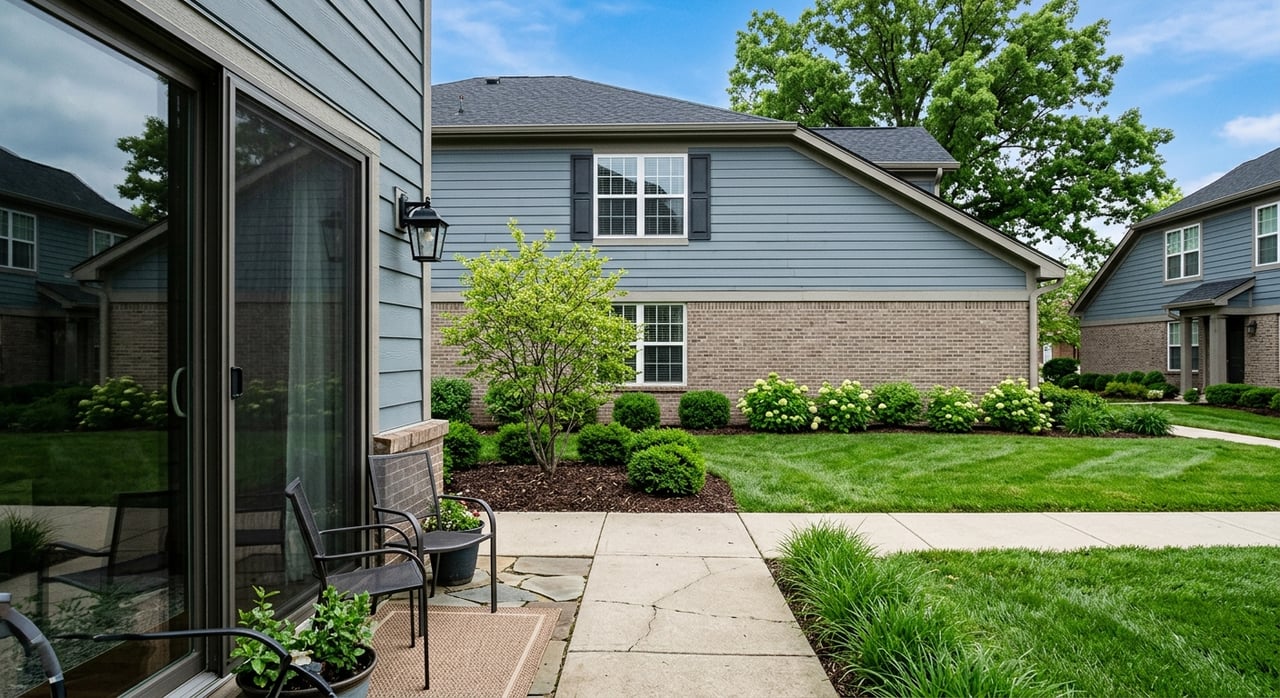
Your Schaumburg Condo & Townhome Guide to Attached Living
April 2, 2026
April 2, 2026
Wondering whether a condo or townhome in Schaumburg is the right fit for your next move? You are not alone. For first-time buyers, downsizers, and busy professionals, attached living can offer a practical mix of convenience, location, and manageable upkeep. The key is understanding how ownership, monthly costs, and association rules really work before you buy. Let’s dive in.
Schaumburg has a large attached-housing presence, which makes condos and townhomes an important part of the local market. According to CMAP community data for Schaumburg, only 33.4% of the housing stock is detached single-family, while a significant share is made up of attached homes and multifamily buildings.
That local housing mix is not surprising when you look at how Schaumburg functions day to day. CMAP also reports 77,238 private-sector jobs and $4.2 billion in retail sales in 2024, which helps explain why many buyers want a low-maintenance home base close to work, shopping, and everyday conveniences.
Price also plays a role. Redfin’s Schaumburg housing market snapshot shows a median sale price of $280,000 for all home types, while separate current listing pages put condos around $268,000 and townhouses around $380,000. That does not mean every attached home will fall neatly into those ranges, but it does show that both property types are active, relevant options in Schaumburg.
One of the biggest points of confusion is that “condo” and “townhome” do not always describe ownership in the same way. In Illinois, a condominium is a form of ownership, not just a building style. The Illinois Department of Financial and Professional Regulation condo guide explains that condo owners typically own the interior of their unit, while the association controls the common elements.
A townhome, by contrast, describes a physical housing style more than a legal structure. Under Illinois common-interest rules, some attached or even detached homes can be part of an HOA-style setup where owners share responsibility for common areas and community expenses. The exact ownership and maintenance split depends on the governing documents, not just the label on the listing.
That is why two homes that look very similar online can come with very different responsibilities once you read the fine print. Before you compare only price or square footage, it helps to compare how the property is legally structured and what the association actually covers.
If you buy a condo, you usually own the interior space of the unit. The association often handles common elements such as roofs, hallways, stairways, entrances, common parking areas, utility lines, exterior walks, driveways, and landscaping, as outlined in the IDFPR condo ownership guide.
Some features may be considered limited common elements instead of fully private property. Those can include balconies, patios, terraces, or assigned parking spaces. In practice, that means you may have exclusive use of a feature without being solely responsible for every repair or replacement tied to it.
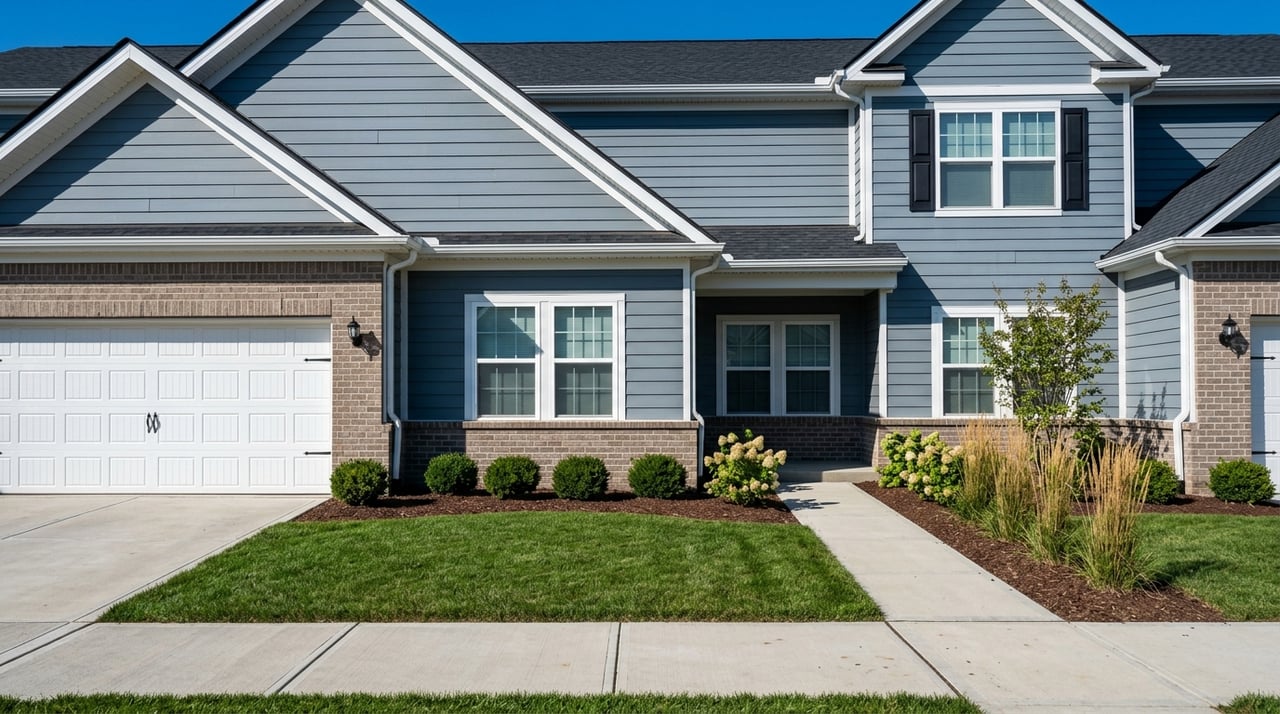
In a townhome community, the setup can vary more from one association to the next. Some owners may be responsible for more exterior maintenance, while others may have a broader package covered through monthly dues. The declaration and bylaws are what tell the real story.
Monthly assessments are often the biggest tradeoff in condo and townhome living. You may get less exterior maintenance and fewer day-to-day upkeep tasks, but you also pay regular dues and follow association rules.
Under Illinois law, common-interest associations must provide owners with a proposed annual budget before adoption and identify amounts going to reserves, capital expenditures or repairs, and real estate taxes tied to common areas. The Common Interest Community Association Act also makes clear that owners are responsible for paying assessments in the amount and at the time set by the board.
That matters because dues are not just a random monthly number. They may support:
The smartest way to evaluate dues is to compare cost and coverage together. A lower monthly fee is not automatically better if the association is underfunded or if you will still be paying separately for major exterior repairs.
Schaumburg’s housing inventory is relatively mature. CMAP reports a median year built of 1979, and 60.7% of the housing stock was built between 1970 and 1989. That makes reserve planning and capital repair budgeting especially important when you are looking at older attached communities.
An older condo building or townhome development is not necessarily a bad choice. In many cases, established communities offer attractive locations, practical layouts, and price points that appeal to buyers who want value. Still, older communities are more likely to be dealing with major repair cycles for roofs, parking lots, siding, or other shared components.
That is why you should look beyond finishes inside the unit. Fresh paint and updated flooring are nice, but association financial health can have a much bigger long-term effect on your ownership costs.
Schaumburg has a variety of areas where attached inventory tends to appear. Current Redfin townhouse search areas in Schaumburg surface names such as Village of Roselle, Golden Corridor, East Streamwood, Weatherfield, Schaumburg Town Square, Highlands, Lakewood Condominiums, and Streamwood Green.
Village GIS planning areas also show mixed-use and planned districts around places like Woodfield Regional Center, Olde Schaumburg Centre, Golf Road Corridor, and North District West. That is useful as a general guide to where attached housing may be concentrated, but it should not be treated as a guarantee about every parcel or development.
For you as a buyer, the main takeaway is simple. If you want condo or townhome options in Schaumburg, there is enough variety to compare price, age, location, and maintenance structure instead of settling for a one-size-fits-all idea of attached living.
When you narrow your options, focus on the real cost of ownership and your preferred lifestyle. A practical comparison usually includes more than just purchase price.
Look at your mortgage payment, property taxes, insurance, and association dues together. A home with a lower price but higher dues may or may not be the better fit depending on what the fee includes.
Ask who handles the roof, siding, landscaping, parking, and common systems. Two attached homes can feel very different once you understand how much direct maintenance you still own.
A healthy reserve fund can help an association plan for future repairs. In older Schaumburg communities, this deserves close attention because major components may already be in or near replacement cycles.
Review the declaration, bylaws, and current budget. Rules about parking, exterior changes, pets, leasing, or shared spaces can affect how comfortable the community feels for your day-to-day life.
Association review is one of the most important parts of buying a condo or townhome. The home itself matters, but so do the finances and condition of the project as a whole.
Fannie Mae’s project eligibility guidance says a project can be ineligible if the HOA or developer is involved in pending litigation related to safety, structural soundness, habitability, or functional use. Its guidance also expects reserve studies to address major common-area components, remaining useful life, estimated repair or replacement costs, current reserves, and a funding plan.
In an Illinois condo resale, buyers should request and review key disclosure items in writing. Based on the IDFPR condo guide, that can include:
This is where careful guidance can make the process smoother. A condo or townhome that looks appealing at first glance may feel very different once you understand the association’s budget, repair planning, and policies.
Attached living often works well if you want to simplify maintenance without leaving the suburbs. It can be a strong fit for first-time buyers who want an entry point into Schaumburg, downsizers who want less exterior upkeep, or professionals who value a convenient location near jobs and retail centers.
It can also work well if you prefer predictable monthly expenses over handling every exterior repair yourself. That said, predictability depends on the quality of the association’s planning, not just the fact that dues exist.
The best choice comes down to your priorities. If you want lower-maintenance living, access to a strong suburban market, and a range of price points, Schaumburg condos and townhomes deserve a serious look.
If you are weighing your next move and want help comparing attached homes with a clear eye on value, upkeep, and resale considerations, the Currey Koertgen Team is here to help you make a confident decision.
Whether you're buying, selling, or investing, we’re here to help you navigate the market with confidence. With expert negotiation, strategic marketing, and a client-first approach, we’ll get you the best results.