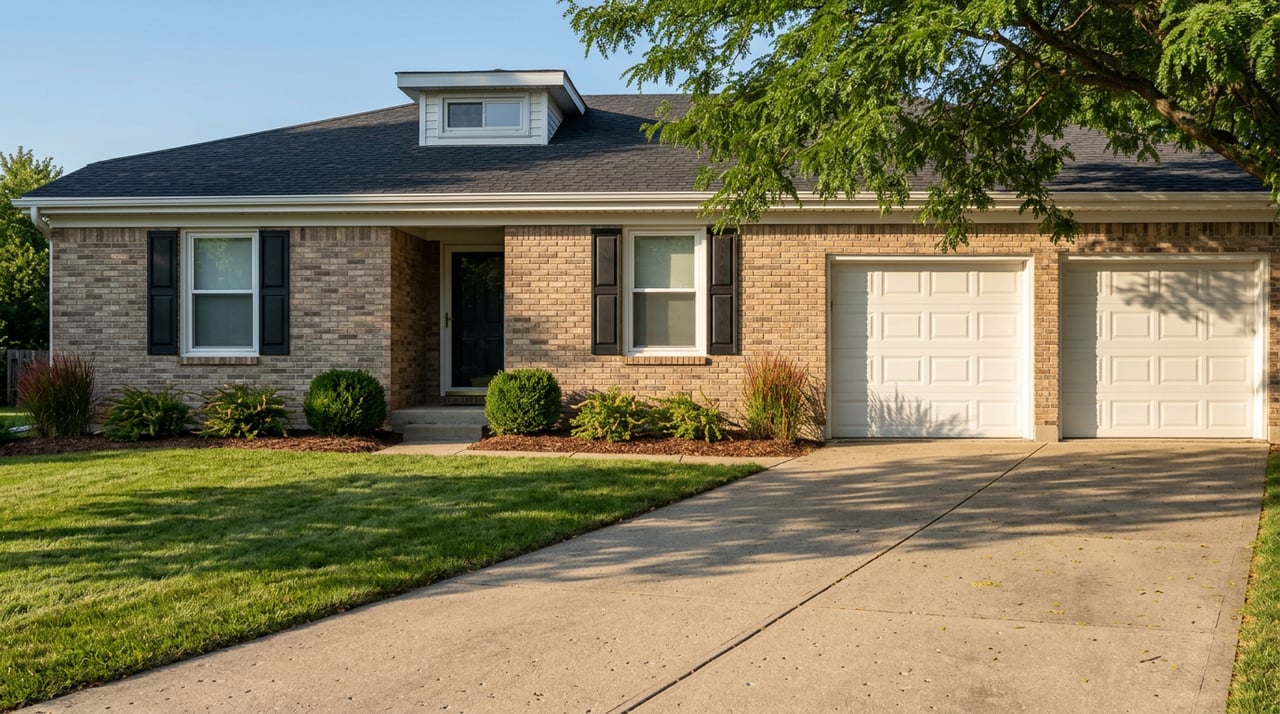
South Elgin Summer Events at Panton Mill Park This Season
August 20, 2026
August 20, 2026
On a Wednesday night in August, the parking lot behind South Elgin's Village Hall fills up before 6 p.m. Kids run through the splash pad while a cover band tunes up under the permanent roof of the sound stage at Panton Mill Park. Someone is selling snacks from the concessions building. Lawn chairs claim the grass in the kind of unhurried, everybody-already-knows-the-drill way that only happens in a place people actually live, not a place designed for visitors.
Drive fifteen minutes in almost any direction and you'll find a different model. St. Charles has its brick storefronts along Main Street. Geneva has Third Street. Downtown Elgin has the Grove Avenue corridor with its galleries and murals. South Elgin has none of that, no signature retail block, no historic main drag to stroll after dinner. And yet nobody here seems to be waiting for one. The village solved the same problem its neighbors solved with storefronts by building a single, heavily used recreational campus next to Village Hall instead, and folding almost everything communal into it.
Panton Mill Park sits at 10 N. Water Street, close enough to Village Hall that the two function as one civic block. It has a permanently covered sound stage, a pavilion, a concessions building, and a splash pad, the kind of infrastructure a town typically spreads across several separate buildings on a Main Street. South Elgin, with roughly 23,865 residents spread across just 7.5 square miles, put it all in one place instead.
That's not an accident of geography so much as a choice about where public money goes. The village counts more than 300 acres of parks, protected natural areas, and open space within its borders. Rather than subsidizing a retail strip, South Elgin appears to have leaned into the park as its shared living room, and the programming backs that up.
The Panton Mill Park Summer Concert Series runs free, all-ages shows every Wednesday at 6:30 p.m., and the 2026 lineup has been running since May 27. It's a fifteen-Wednesday season, and as of this week, eleven of those nights are already behind us. Four remain.
| Date | Performer |
|---|---|
| August 19 | The Class of '68 |
| August 26 | Alexandrea Lee Band |
| September 2 | True Company |
| September 9 | Semple Band |
Earlier in the summer, the same park hosted an outdoor movie series, including a June screening of Bad Guys 2 and a July showing of The Minecraft Movie, with concessions open and movie bingo before the film. Cruise Nights, the informal classic-car gathering the park runs each summer, have been a fixture of the same lot all season. None of it required leaving a two-block radius of Village Hall. If you've been meaning to catch one of these Wednesday nights before the season wraps up after Labor Day, this is close to the last call.
Grab dinner beforehand at Wee-Dee's on North LaFox Street, which relocated to a new spot with an expanded menu and a private gaming lounge, and you've covered most of a Wednesday evening without getting in a car more than once.
Most Fox Valley suburbs have some version of a splash pad and a summer concert series. What South Elgin has that its neighbors don't are two much odder, much older institutions sitting quietly along the same river.
The Fox River Trolley Museum, at 365 South LaFox Street, runs actual electric trolleys and interurban cars on a 1.9-mile mainline built in 1896 for the old Aurora, Elgin & Fox River Electric line. According to the museum's own history, the line itself has been "in non-stop operation since 1896," which makes it one of the few railroads in the country still running inside a forest preserve, threading into the Jon J. Duerr Forest Preserve to a southern stop the museum calls Blackhawk. The collection includes roughly 30 antique trolleys, streetcars, and locomotives dating from 1887 to 1959. Right now, through the end of August, the museum runs both Saturdays and Sundays, an extended summer schedule that reverts to Sundays only once August ends, continuing through the first Sunday in November. A single ride runs about five dollars for adults and two dollars for kids. Come fall, the same cars get dressed up for themed Halloween rides, and by early winter they're running a Polar Express route to the North Pole, complete with hot chocolate and a Santa stop.
A few miles south on Route 31, Vasa Park is a 25-acre nonprofit heritage park run by Scandinavian Park, Inc., open to the public despite its Nordic roots. Its 2026 calendar reads like nothing else in the Fox Valley:
Neither of these institutions is a generic suburban amenity. A working interurban railroad and a Scandinavian heritage park both require decades of specific, local commitment to keep running, and South Elgin has both within a few miles of each other.
What actually connects Panton Mill Park, the trolley museum, and Vasa Park isn't a road. It's the Fox River Trail, which runs 44 miles along the river and passes directly through South Elgin's Village Center. The Illinois Prairie Path intersects the trail near Raymond Street here, opening a route east toward Chicago's suburbs and, in the other direction, toward the Great Western Trail heading to Sycamore. If your bike needs a tune-up before a longer ride, Village Peddler in South Elgin handles maintenance for exactly this stretch.
The same logic that put a splash pad next to Village Hall instead of a shopping block shows up again at the Gail Borden Public Library's South Elgin branch, which recently tripled in size and holds LEED certification. It's another public building the village chose to invest in heavily rather than leasing storefronts for private tenants. Taken together, the park, the trail, the library, and the two heritage institutions along the river read less like a list of amenities and more like a single, deliberate pattern: South Elgin keeps building shared civic space instead of retail frontage, and asking residents to gather there.
If you've been treating Panton Mill Park as just the place with the splash pad, it's worth checking the calendar again before September 9 closes out this year's concert season. The trolley museum's extra Saturday hours won't last past the end of the month either. And Vasa Park's Scandinavian Day on September 13, with a full afternoon of live music, is the kind of thing that's easy to miss if you're used to thinking a Main Street is where a town's calendar lives.
South Elgin never built one of those. It built a park next to Village Hall, a working railroad along the river, and a heritage park a few miles south, and connected all three with 44 miles of trail. That's a different kind of downtown, and if you live here, it's already yours.
If you're weighing a move within South Elgin or just curious what your home might be worth in a market this specific, the Currey Koertgen Team knows this river corridor block by block. Reach out anytime you want a straight answer.
Whether you're buying, selling, or investing, we’re here to help you navigate the market with confidence. With expert negotiation, strategic marketing, and a client-first approach, we’ll get you the best results.