
Elgin Historic Home Disclosure Requirements Before Selling
August 13, 2026
August 13, 2026
For sellers of designated historic properties in Elgin, historic district status involves more than rules about exterior changes. A disclosure form is also part of the sale.
Design guidelines often draw attention, while the disclosure requirement is another factor in keeping a transaction on schedule.
Since February 1, 2024, Elgin has required that whenever a designated historic property changes hands, the seller and buyer sign a Designated Historic Property Disclosure Form by the time the real estate contract is executed. That part sounds like ordinary paperwork, similar to a lead paint disclosure or a flood zone notice, and it belongs in the early stages of the sale.
The City of Elgin will not issue a real estate transfer stamp without a completed disclosure form on file. The requirement is set out in Chapters 4.26 and 20.18 of the Elgin Municipal Code.
Most disclosure requirements get folded into the listing process early, reviewed by an agent and signed alongside everything else. Elgin's historic disclosure form also needs attention early, rather than waiting until a closing coordinator flags it days before the deed is supposed to record.
Ask most Elgin residents where the historic district is and they will point east of downtown, toward the Fox River. That answer is only partly right. Elgin actually has four separate historic districts plus 22 individually designated landmark properties, and the boundaries do not always line up with what a home looks like from the curb.
The Elgin Historic District was the city's first, designated in 1981 and added to the National Register of Historic Places in 1983. It covers the neighborhood platted by James Gifford in 1842 and includes landmarks like the Gifford-Davidson House and Elgin Academy. The Spring / Douglas Historic District followed in 1996 and was listed on the National Register in 2002, built mainly between 1886 and 1920. The Elgin National Watch Historic District, designated in 1997, covers the worker's cottages that once surrounded the old watch factory. The D.C. Cook / Lovell Historic District, added in January 2007, was the most recent geographically defined district.
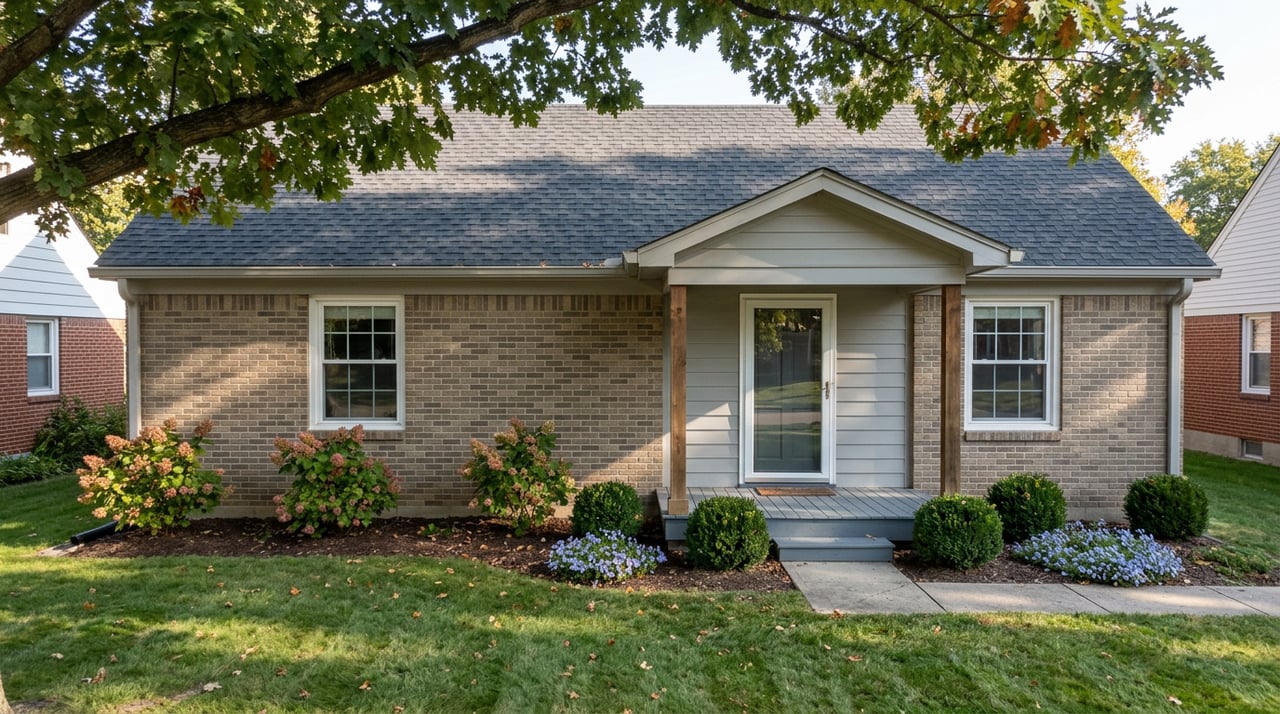
Then there is the Elgin Bungalow Thematic Historic District, designated in 2015. This one has no map you can walk to. Its boundaries are citywide, which means a bungalow on a quiet residential street with no plaque and no visible district signage can still fall under the same disclosure requirement as a home two blocks from downtown. A seller who has never heard the word historic applied to their house can still be required to sign this form.
The only way to know for certain is to check the address against the city's historic property records before listing, not after an offer comes in.
Sellers preparing a historic property for market often want to handle the obvious things first: fresh paint, a new front door, maybe a porch repair. In most of Elgin, none of that requires city sign-off. Inside a historic district or on a landmark property, it does.
Any work affecting the exterior architectural appearance of a designated historic property needs a Certificate of Appropriateness before it starts, reviewed by the Elgin Heritage Commission's Design Review Subcommittee. The list of covered work is specific: porches, windows, doors, walls, roofs, chimneys, foundations, fences, and accessory structures all count. A seller who swaps out a failing porch railing two weeks before listing photos, without running it past the Commission first, has technically done something the city can flag later.
That does not mean cosmetic prep is off the table. It means the order of operations matters more in a historic district than almost anywhere else in the Fox Valley. Getting a Certificate of Appropriateness before hiring a contractor saves a seller from redoing work, or from disclosing unapproved changes to a buyer whose attorney knows exactly what to ask.
The requirements described above can affect a seller's listing plans. The same designation may also offer benefits to property owners and buyers.
The Elgin Historic District and Landmark Design Guidelines say properties in Elgin's historic districts and individually designated landmarks are eligible for property tax credits or deductions, and separately for the Historic Architectural Rehabilitation Grant program. Both matter to a buyer weighing the upkeep of an older home against a newer build elsewhere in Kane County. A seller who can point to available tax incentives and a grant program for approved rehabilitation work is offering something a recently built subdivision colonial cannot.
That distinction matters most to the buyer who has already decided they want an older home with real architectural detail and is trying to justify the tradeoffs against a lower-maintenance new build. The same designation that requires a disclosure form and a Certificate of Appropriateness is what unlocks financial support most buyers never think to ask about.
None of these steps are difficult on their own. What makes the order matter is that skipping step one turns every step after it into a guess.
Does this apply to my house if it has no plaque or visible historic markings? Yes. If the address falls inside one of the four geographic districts or is covered by the citywide Bungalow Thematic Historic District, the disclosure and Certificate of Appropriateness requirements apply regardless of whether the home has a visible marker.
What should I do if I learn my home is designated before signing a contract? Have both parties complete and sign the disclosure form before the contract is executed. The city will not issue the transfer stamp without it.
Is historic designation a downside for resale? Not inherently. It adds a documentation step and an approval process for exterior work, but it also opens access to tax incentives and rehabilitation grants that can offset maintenance costs for the right buyer.
Selling a historic home in Elgin rewards sellers who treat the disclosure form and the Certificate of Appropriateness as part of pre-listing prep, not paperwork to handle after an offer arrives. The Currey Koertgen Team works with sellers across Elgin's historic neighborhoods and the wider Fox Valley to get these details handled early, so a closing date never has to move because of a form nobody remembered to ask for.
How Much Is Your Home Worth?
This article is general information, not legal, tax or financial advice. Consult a qualified professional about your situation.

Whether you're buying, selling, or investing, we’re here to help you navigate the market with confidence. With expert negotiation, strategic marketing, and a client-first approach, we’ll get you the best results.